
Can Swimming Headphones Survive Real-World Training, Not Just Lab Tests?
For swimmers who want to stay motivated and focused during their workouts, swimming headphones have become an attractive gadget. Promising waterproof sound and a comfortable fit, these devices are often tested rigorously in controlled lab environments. But what happens when the swimmer takes them out of the lab and into the pool for serious training sessions? Can swimming headphones really hold their seal and deliver quality sound when the speed and intensity ramp up?
In this article, we’ll dive into the real-world performance of swimming headphones, especially during sprint laps where every second counts and the water pressure intensifies. We’ll explore whether these headphones can survive the demands of actual training rather than just theoretical conditions.
Why Lab Tests Don’t Tell the Whole Story
Manufacturers typically test swimming headphones in laboratory settings where water pressure, temperature, and immersion time are controlled precisely. These tests are essential to ensure the devices meet waterproof standards like IPX8, which guarantees protection against continuous immersion.
However, lab tests often simulate static conditions—like sitting still underwater or slow movements—not the dynamic forces experienced during vigorous swim training. When a swimmer pushes off the wall for a sprint lap, the water pressure against the headphones increases dramatically. Turbulence from fast strokes and turns can also challenge the headphone’s seal and fit.
The Real Test: Sprint Laps and Speed Intensification
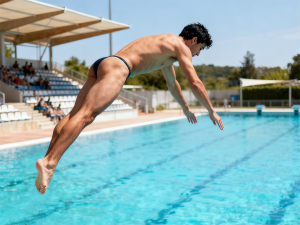
Consider a swimmer practicing 50-meter sprints. Each lap involves explosive starts, rapid arm pulls, and powerful kicks that create waves and pressure fluctuations around the ears. The headphone’s seal must stay intact to prevent water from seeping in and disrupting sound quality.
In real-world scenarios, some swimmers report that certain models of swimming headphones begin to leak or lose sound clarity when sprinting at full speed. For example, one competitive swimmer shared how their headphones worked flawlessly during warm-ups and slow laps but started to buzz and cut out during intense sprints. The culprit? The rapid acceleration and water turbulence compromised the waterproof seal.
On the other hand, higher-end models designed specifically for athletes often feature ergonomic designs with flexible ear hooks or fins that lock the device securely in place. These designs help maintain a watertight seal even during vigorous movements. Swimmers using these models have reported consistent sound quality and no water intrusion, even during repeated high-speed laps.
Tips for Choosing Swimming Headphones That Can Handle Training
If you’re a swimmer who wants headphones that survive more than just lab tests, here are some practical tips:
1. Look for Secure Fit Features: Headphones with adjustable ear hooks, fins, or customizable tips can stay put better during intense swimming.
2. Check Real User Reviews: Pay attention to feedback from swimmers who use the headphones during training, not just casual swimming.
3. Consider Battery and Storage: Some swimming headphones store music internally, eliminating the need for Bluetooth underwater, which can be unreliable during fast laps.
4. Test Them Yourself: Before relying on headphones during critical sessions, try them in the pool during various speeds and strokes to see how they perform.
Conclusion
Swimming headphones have come a long way, but surviving real-world training conditions—especially sprint laps with intensified speed and water pressure—is still a challenge for some models. While lab tests provide a baseline assurance of waterproofing, the true test lies in how well these devices maintain their seal and sound quality during dynamic swim workouts.
For swimmers serious about integrating music or coaching audio into their training, investing in headphones designed with robust fit features and proven performance in real training scenarios is essential. Ultimately, the best swimming headphones are those that combine waterproof technology with ergonomic design to keep the music flowing no matter how fast you swim.