
Why Cyclists Are Ditching In-Ear Buds for Open-Ear Designs
For many commuter cyclists navigating bustling city streets, staying alert to their surroundings is a top priority. Traditionally, in-ear earbuds have been the go-to choice for listening to music or podcasts during rides. However, a growing number of cyclists are making the switch to open-ear headphones. This shift isn’t just a trend—it’s a practical response to the unique challenges of urban cycling. In this article, we’ll explore why open-ear designs are becoming the preferred option for cyclists who want to enjoy audio without compromising safety and awareness.
The Importance of Environmental Awareness for Cyclists
City streets are dynamic and unpredictable environments. From honking cars and screeching brakes to pedestrians stepping off curbs, a commuter cyclist must be constantly vigilant. In-ear earbuds, which seal off the ear canal, can muffle these critical sounds, creating a potentially dangerous situation. Cyclists risk missing the sound of an approaching emergency vehicle or a car turning unexpectedly.
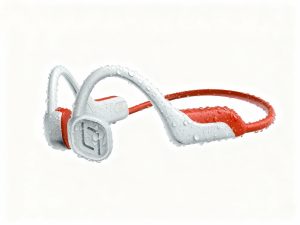
Take Sarah, for example, a daily commuter in downtown Chicago. She used to listen to music through in-ear buds during her rides but found herself frequently startled by traffic noises she couldn’t hear clearly. After switching to open-ear headphones, Sarah noticed a significant improvement in her ability to gauge her surroundings while still enjoying her favorite playlists.
What Are Open-Ear Headphones?
Open-ear headphones, also known as bone conduction headphones or open-ear designs, rest near the ear rather than inside the ear canal. Instead of sending sound through the ear canal, they transmit audio vibrations through the bones of the skull or direct sound waves around the ear. This leaves the ear canal open to ambient sounds, allowing users to stay connected to their environment.
For cyclists, this means they can listen to music, podcasts, or navigation instructions without losing the ability to hear the world around them.
Benefits of Open-Ear Designs for Cyclists
1. Enhanced Safety Through Situational Awareness
Open-ear headphones allow cyclists to hear important environmental sounds such as traffic signals, horn blasts, and pedestrian chatter. This heightened awareness can prevent accidents and improve reaction times.
2. Comfortable Fit for Long Rides
Unlike in-ear buds that can cause discomfort or ear fatigue over time, open-ear designs are typically lightweight and rest comfortably without inserting anything into the ear canal.
3. Sweat and Weather Resistance
Many open-ear models are designed with active users in mind, offering resistance to sweat and light rain—ideal for daily commuters facing varying weather conditions.
4. Versatility and Convenience
Open-ear headphones often pair easily with smartphones and GPS devices, providing clear audio cues without blocking external sounds. This is especially helpful for cyclists relying on navigation apps in unfamiliar parts of the city.
Real-World Examples of Open-Ear Headphones Popular Among Cyclists
Brands like AfterShokz (now known as Shokz) have pioneered bone conduction technology with models such as the Shokz OpenRun. These headphones have received praise for their secure fit, sound quality, and ability to keep ears open to ambient noise.
Another option gaining traction is the Bose Sport Open Earbuds, which combine open-ear design with premium sound and a comfortable fit. Cyclists appreciate these earbuds for their balance between audio enjoyment and environmental awareness.
Conclusion
For commuter cyclists weaving through the complexities of city traffic, the choice of headphones is more than a matter of sound quality—it’s a matter of safety. Open-ear headphones provide an excellent solution by allowing riders to stay alert to their surroundings while enjoying audio content. As more cyclists share their positive experiences, it’s clear that open-ear designs are not just a niche product but a practical tool for safer, more enjoyable urban cycling.
If you’re a cyclist who values both music and safety, it might be time to give open-ear headphones a try on your next ride. Your ears—and your peace of mind—will thank you.