
Why Athletes Are Demanding Better Waterproof Ratings in 2025
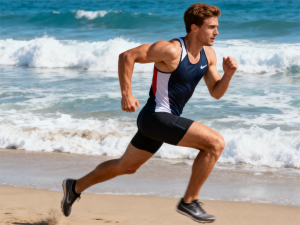
As outdoor sports continue to evolve, athletes are pushing the limits of their gear in increasingly challenging environments. In 2025, one trend stands out clearly: the rising demand for better waterproof ratings in athletic equipment. Whether it’s runners pounding the beach sand or cyclists navigating rainy mountain trails, athletes want gear that can keep up with their active lifestyles. This shift is especially noticeable in scenarios like a beach runner splashing through shallow surf, where salt spray and shifting tides test the true waterproof capabilities of shoes, watches, and wearable tech.
The Changing Landscape of Athletic Waterproof Needs
Athletes today are more adventurous than ever. They don’t just run on dry paths or train indoors; they seek diverse terrains and unpredictable weather conditions to push their limits. For instance, beach runners often encounter saltwater spray, damp sand, and sudden tidal changes. Traditional waterproof ratings, such as IPX4 or IPX5, might offer protection against light splashes or rain but often fall short when exposed to prolonged contact with saltwater or submersion.
Salt spray is particularly corrosive and can degrade materials quickly, while shifting tides mean athletes might unexpectedly find themselves wading through ankle-deep water. This combination demands gear that not only resists water ingress but also withstands the harsh effects of salt and moisture over time.
Why Waterproof Ratings Matter More Than Ever
Waterproof ratings provide consumers with a standardized measure of how well a product can resist water. However, many athletes find that these ratings don’t always reflect real-world conditions. For example, a smartwatch rated IPX7 (waterproof up to 1 meter for 30 minutes) might survive a rainstorm but struggle with saltwater exposure during a beach run.
In 2025, athletes are calling for more rigorous and transparent waterproof testing standards that factor in variables like saltwater corrosion, repeated exposure, and movement in water. Brands that respond by developing equipment with higher waterproof ratings and enhanced durability gain a competitive edge.
Real-World Example: The Beach Runner’s Challenge
Consider a beach runner training for a coastal marathon. As they sprint along the shoreline, waves lap at their feet, and salt spray hits their gear. Their running shoes might be labeled water-resistant, but after repeated sessions, water seeps in. The shoes become heavier, less comfortable, and prone to wear. Similarly, a fitness tracker might fog up or malfunction after exposure to saltwater, undermining its reliability.
To address these challenges, some manufacturers have introduced running shoes with advanced waterproof membranes specifically designed for saltwater resistance. Others have upgraded wearable devices with coatings and seals that protect sensitive electronics from both freshwater and saltwater exposure. These improvements stem directly from athletes’ feedback and the demand for gear that performs flawlessly in wet, salty conditions.
Looking Ahead: What Athletes Can Expect
As the demand for better waterproof ratings grows, athletes can look forward to innovations like:
– Enhanced materials that resist saltwater corrosion and maintain breathability.
– Stricter waterproof testing protocols that simulate real-world conditions, including salt spray and submersion in moving water.
– Improved sealing technologies in wearable devices, ensuring longer lifespans and consistent performance.
– Gear designed specifically for multi-environment use, catering to athletes who transition seamlessly from land to water.
Conclusion
The push for better waterproof ratings in 2025 reflects athletes’ desire to train and compete without limits. Whether it’s a beach runner splashing through shallow surf or a trail cyclist caught in a sudden downpour, reliable waterproof gear is essential for comfort, performance, and durability. As manufacturers respond to this demand, athletes will benefit from equipment that truly stands up to the elements, empowering them to explore new horizons with confidence. For those who embrace outdoor challenges, better waterproof ratings are no longer a luxury—they’re a necessity.