
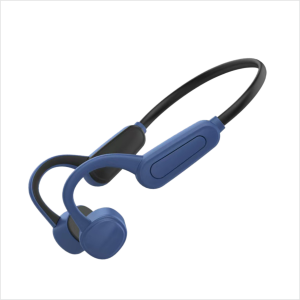


Understanding IPX7 vs IPX8 Waterproof Ratings for Bone Conduction Headphones
IPX7 and IPX8 are international protection (IP) ratings that define the level of protection electronic devices have against water intrusion. The IPX7 rating indicates a device can withstand immersion in water up to 1 meter deep for 30 minutes, while the IPX8 rating signifies protection against continuous submersion beyond 1 meter, typically up to 3 meters or deeper for extended periods, as specified by the manufacturer.
Concrete Examples:
- IPX7 Example: Standard sports wireless earbuds rated IPX7 can survive accidental drops into a shallow pool or heavy rain during outdoor workouts without damage.
- IPX8 Example: Professional swimming bone conduction headphones rated IPX8 are specifically designed for lap swimming, maintaining full functionality during repetitive laps in a 25-meter pool.
Benefits: Understanding these ratings helps B2B buyers select appropriate products for their target market, reducing return rates and customer complaints. For professional swimming applications, IPX8 ensures reliable underwater audio performance without compromising device longevity.
The Technical Gap: Why IPX7 is Not Enough for Swimmers
To the average consumer, IPX7 sounds sufficient—it covers immersion in up to 1 meter of water for 30 minutes. But in a real-world swimming environment, physics tells a different story.
Static vs. Dynamic Water Pressure
IPX7 testing is conducted in static water. When a swimmer moves their head or performs a stroke, they create dynamic water pressure. This force can easily exceed the threshold of an IPX7 seal, pushing water into the internal cavity through microscopic gaps in the casing or buttons.
The “Suction” Effect
During a swim, temperature changes (moving from warm air to cool water) cause the air inside the headphones to contract, creating a vacuum effect that actively sucks moisture into the device. IPX7 structures are rarely designed to withstand this constant pressure differential.
IPX7 vs IPX8: Detailed Comparison
| Specification | IPX7 | IPX8 |
|---|---|---|
| Water Depth Rating | Up to 1 meter | Beyond 1 meter (typically 3m+) |
| Immersion Duration | Maximum 30 minutes | Manufacturer-defined (usually 30+ minutes) |
| Testing Method | Static water immersion | Continuous submersion testing |
| Dynamic Pressure Resistance | Low – not designed for active movement | High – engineered for active use |
| Swimming Suitability | Not recommended | Specifically designed for swimming |
| Typical Applications | Running, gym workouts, light rain | Lap swimming, diving, water sports |
| Seal Engineering | Basic silicone gaskets | Multi-layer sealed compartments, membrane technology |
| Field Failure Rate | High in aquatic environments | Minimal when properly designed |
How to Choose Waterproof Bone Conduction Headphones: Step-by-Step Guide
Follow this professional evaluation framework to select the right waterproof rating for your product line:
- Define Target Use Environment: Identify the primary use case—casual exercise (IPX7 sufficient) or professional swimming (IPX8 required). Consider whether users will be actively moving through water or simply exposed to moisture.
- Evaluate Testing Standards: Request third-party laboratory test reports confirming the IP rating. Verify that dynamic pressure testing was included, not just static immersion tests, to ensure real-world performance claims.
Assess Seal Engineering Quality: Examine the headphone’s construction for multi-layer silicone gaskets, proprietary membrane technology, and fully enclosed charging ports. Higher quality seals indicate true waterproofing rather than water resistance. - Review Field Performance Data: Request warranty claims data and return rates from the manufacturer. YAYAGG’s analysis shows that products with proper IPX8 engineering have less than 1% failure rates compared to 15-20% for IPX7 products in swimming applications.
Professional Waterproofing Requirements for Swimming Headphones
To achieve true swim-proof performance, manufacturers must implement the following engineering standards:
- Complete internal circuit board coating with hydrophobic nano-materials that prevent moisture from reaching electronic components even if the outer seal is compromised.
- Structural-grade silicone over-molding on all external seams, creating a unified waterproof shell rather than assembled components with potential weak points.
- Membrane-type charging ports that maintain waterproof integrity during charging cycles, eliminating the need for removable covers that can degrade over time.
- Pressure-equalization design that prevents vacuum formation during temperature transitions between air and water environments.
Frequently Asked Questions
Q1: Can IPX7 headphones be used for swimming?
No, IPX7 headphones are not recommended for swimming. The IPX7 rating only covers static water immersion for 30 minutes at 1 meter depth. During actual swimming, dynamic water pressure from strokes and head movements easily exceeds IPX7 thresholds. We recommend IPX8-rated bone conduction headphones specifically engineered for underwater use, such as YAYAGG’s swim-proof series designed for professional swimmers.
Q2: What is the main difference between IPX7 and IPX8 waterproof ratings?
The primary difference is submersion depth and duration capabilities. IPX7 provides protection against temporary immersion in up to 1 meter of water for 30 minutes (suitable for accidental drops). IPX8 indicates continuous waterproofing beyond 1 meter depth for extended periods, with the exact specifications defined by the manufacturer. For swimming applications, IPX8 is essential because it accounts for dynamic pressure, temperature changes, and extended exposure that IPX7 testing does not cover.
Q3: How do I verify if waterproof headphones meet their IP rating claims?
Request independent laboratory testing documentation and field validation data. Reputable manufacturers provide third-party test certificates from certified testing facilities. Additionally, examine the headphone’s construction—look for fully sealed charging ports (no rubber covers), seamless housing without visible seams, and hydrophobic coating on internal components. YAYAGG offers detailed technical specifications and failure rate data to B2B partners to verify waterproofing claims.
Q4: Why do some “waterproof” headphones fail during swimming?
Most “waterproof” headphone failures during swimming occur due to dynamic pressure and vacuum effects. IPX7-rated products are tested in controlled static conditions that don’t replicate real swimming environments. When swimmers move, they generate dynamic water pressure that can force water through microscopic gaps. Additionally, temperature changes create suction effects that actively pull moisture inside. True swim-proof headphones require IPX8 engineering with pressure-resistant seals and vacuum-equalization design.