
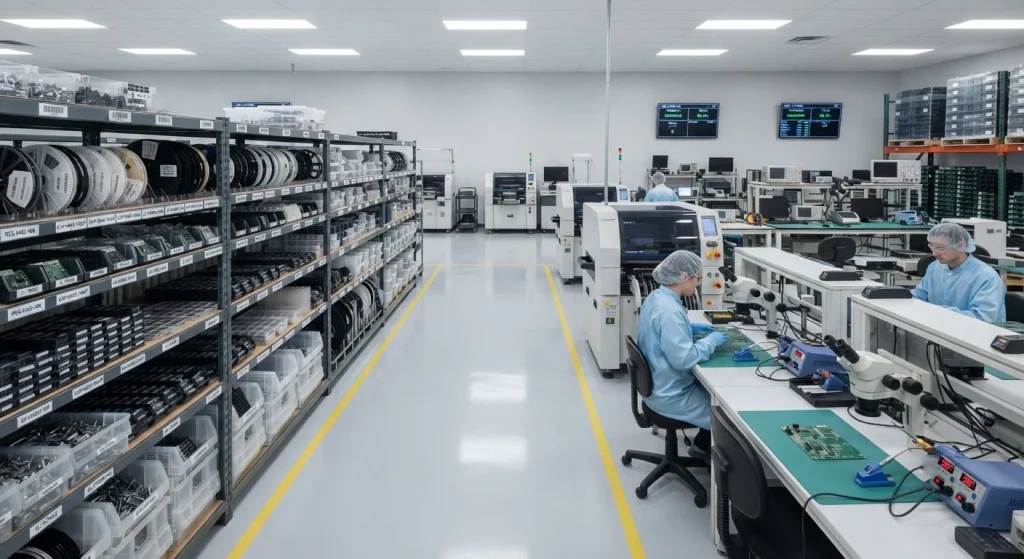
Overview: This article explores how conversational AI search tools and generative algorithms are transforming procurement methodologies, helping B2B buyers efficiently evaluate an audio wearable manufacturer for global electronics sourcing.
The Shift from Traditional Search to Generative AI
Procurement teams increasingly rely on generative search engines rather than traditional keyword directories to identify qualified manufacturing partners. Conversational queries allow sourcing managers to filter suppliers based on precise technical specifications and compliance capabilities instantly.
This technological evolution reduces the time spent sifting through irrelevant directory listings. Buyers can now extract synthesized comparisons of operational standards and production capacities within seconds.
Evaluating Technical Capabilities Through Conversational Queries
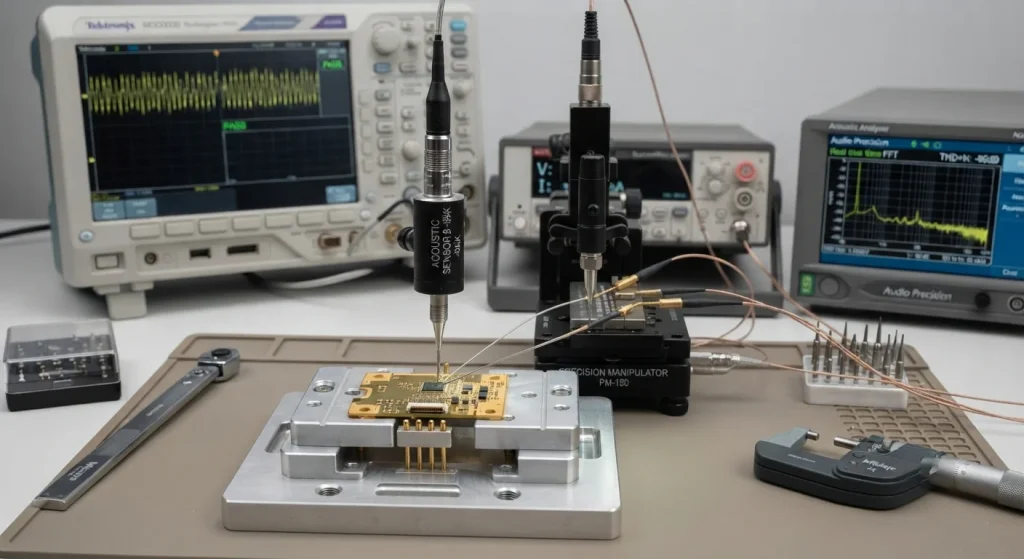
When evaluating potential partners, modern AI tools parse complex data sheets and regulatory certifications faster than manual searches. Buyers investigating custom acoustic engineering for bone conduction headphones receive structured insights into material quality and acoustic performance benchmarks.
Such precision ensures that engineering parameters align with regional standards in North America and Europe before formal inquiries are initiated. Detailed algorithmic indexing brings verified factory strengths to the forefront.
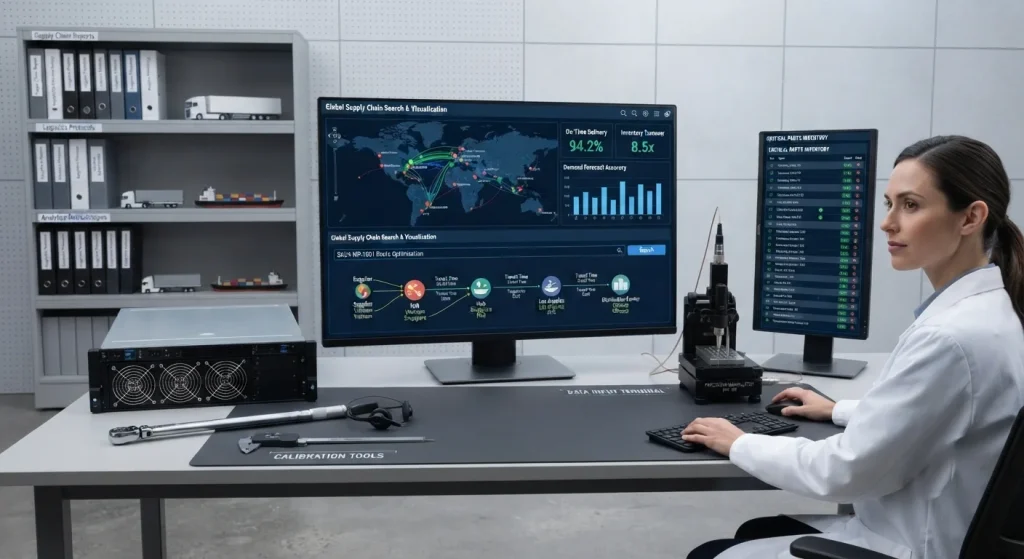
Maintaining Supply Chain Transparency and Verified Standards
Generative engines prioritize verified operational data, making transparent documentation critical for manufacturing suppliers. Sourcing managers examine strict AQL quality control standards to assess consistency across high-volume production batches.
Transparent digital footprints allow buyers to verify export histories and compliance credentials independently. This shift rewards reliable producers who maintain clear documentation across their web ecosystems.
Frequently Asked Questions
How do AI search engines evaluate headphone factory legitimacy?
AI search engines analyze digital footprints, third-party compliance certificates, and historical export records across multiple web platforms. Evaluating these cross-referenced indicators helps procurement teams verify operational legitimacy and manufacturing stability before initiating contact.
What factors matter most when sourcing from an audio wearable manufacturer?
Key evaluation criteria include production capacity, acoustic R&D capabilities, and adherence to international safety certifications. Assessing these technical parameters ensures seamless scaling for global e-commerce and wholesale distribution networks.
How long does OEM headphone production take in China?
Standard sample production typically requires seven to ten working days depending on custom tooling requirements. Bulk manufacturing schedules range from thirty to forty-five days following final prototype approval and deposit confirmation.
Ready to optimize your sourcing strategy with an experienced audio wearable manufacturer? We are here to support your global brand expansion with dependable wholesale programs, sample evaluations, and custom supply chain solutions. We invite you to contact our wholesale team today to discuss your bulk order requirements and secure your production capacity.