
Are Swimming Headphones the Most Overlooked Tool for Endurance Training?
Endurance athletes are always on the lookout for ways to enhance their training sessions, especially when it comes to long open-water swims or triathlon preparation. While gear like wetsuits, goggles, and heart rate monitors often take center stage, one piece of equipment that frequently flies under the radar is swimming headphones. These innovative devices can help athletes maintain focus, boost motivation, and ultimately improve performance during grueling training sessions. In this post, we’ll explore why swimming headphones might just be the most overlooked tool in endurance training.
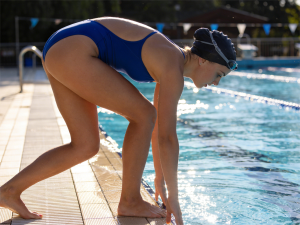
Why Focus Matters in Endurance Training
Endurance sports demand not only physical stamina but also mental resilience. Long hours spent swimming in open water can become monotonous and even mentally draining. Distractions such as waves, currents, or the quiet isolation can make it difficult to stay focused on technique and pacing. This is where swimming headphones come in. By allowing athletes to listen to music, podcasts, or guided workouts underwater, these devices provide a mental boost that keeps the mind engaged and the body moving.
How Swimming Headphones Work
Swimming headphones are designed to be waterproof and stay securely in place during vigorous activity. Most models use bone conduction technology, which transmits sound through the cheekbones, leaving the ears open to ambient sounds. This is particularly useful for open-water swimmers who need to remain aware of their surroundings for safety reasons. Other headphones are fully submerged waterproof and use Bluetooth connectivity to pair with waterproof MP3 players, allowing swimmers to enjoy their favorite audio content without interruption.
Real Examples from the Endurance Community
Consider the experience of triathlete Sarah Mitchell, who incorporated swimming headphones into her training regimen ahead of an Ironman competition. She found that listening to upbeat music helped her maintain a consistent stroke rate and distracted her from the fatigue that often sets in during long swims. “Swimming with headphones changed the way I approached my workouts,” Sarah shares. “It made the sessions more enjoyable and helped me push through tough sets.”
Similarly, open-water swimmer and coach Jason Lee uses swimming headphones to play guided breathing exercises and motivational talks during his training. According to Jason, “The mental edge I get from having auditory cues underwater helps me stay disciplined and focused, especially when conditions get challenging.”
Benefits Beyond Motivation
Besides enhancing motivation, swimming headphones can aid in pacing and technique. Some athletes use audio cues or metronomes to keep their stroke rate steady. Others listen to coaching instructions or swim drills recorded in advance, allowing them to receive feedback even when training solo. This can be especially valuable for triathletes who often have to juggle multiple disciplines and training environments.
Choosing the Right Swimming Headphones
When selecting swimming headphones, endurance athletes should consider factors such as battery life, comfort, sound quality, and waterproof rating. It’s important to choose a pair that fits securely and doesn’t interfere with goggles or caps. Reading reviews and testing different models can help find the best fit for individual needs.
Conclusion: Don’t Overlook This Training Ally
In the quest for endurance excellence, swimming headphones offer a unique combination of mental and physical benefits. They help athletes stay focused, motivated, and disciplined during long training sessions, making them a valuable yet often overlooked tool. Whether you’re a triathlete preparing for race day or an open-water swimmer aiming to improve your pace, incorporating swimming headphones into your routine could be the game-changer you’ve been missing.
Consider giving swimming headphones a try on your next training swim. You might find that the right playlist or coaching audio underwater is just what you need to take your endurance training to the next level.