
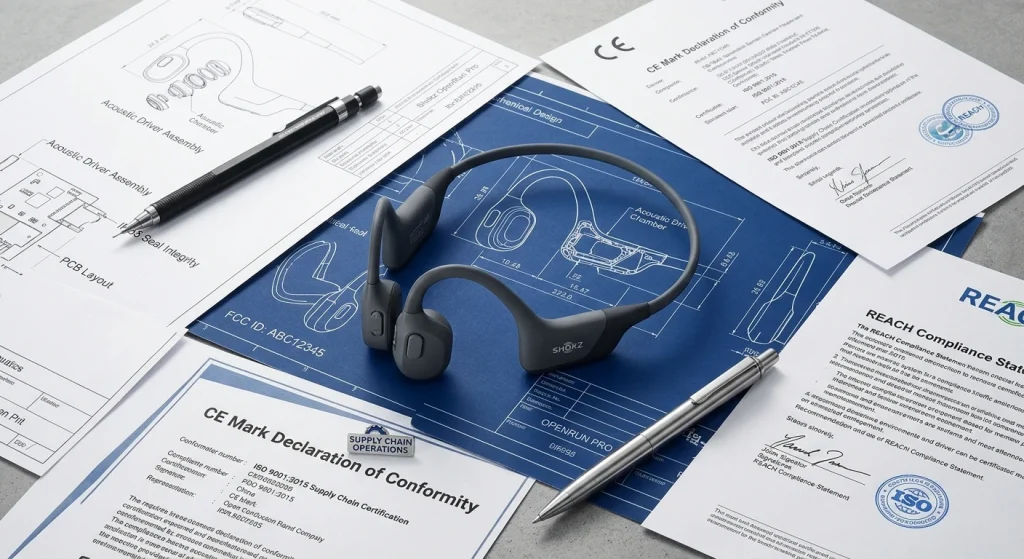
FCC Requirements for Wireless Audio Products in the USA
OVERVIEW
When partnering with a bone conduction headset OEM to source wireless audio hardware for the USA market, strict adherence to federal regulations is paramount. This overview explains RF emissions, SAR testing, and mandatory labeling to ensure seamless cross-border compliance.
Understanding RF Emissions and Part 15 Rules
The Federal Communications Commission regulates any device that emits radio frequency energy. For wireless audio hardware, Bluetooth modules operate within the 2.4 GHz spectrum, which falls under Part 15 regulations for intentional radiators. Importing these units without proper laboratory verification risks severe customs seizures and permanent domain blacklisting.
Partnering with a reliable bone conduction headset OEM ensures that the internal Bluetooth chipsets are pre-certified. For our core bone conduction headphones, we utilize standardized testing chambers to measure emission limits, preventing interference with other critical communication frequencies.
Specific Absorption Rate (SAR) Exemption Criteria
Because sports audio devices are worn directly against the human skull, they are subject to strict RF exposure evaluations. The Specific Absorption Rate measures the rate at which human tissue absorbs RF energy. Devices exceeding safe exposure thresholds cannot legally enter the United States commercial supply chain.
Fortunately, most low-power Bluetooth modules used in our commercial catalog qualify for SAR test exemptions due to their minimal output wattage. We provide comprehensive technical justification reports to customs authorities, demonstrating that the structural engineering operates well below the mandated threshold.
Equipment Authorization and FCC ID Assignment
Every intentional radiator must undergo a formal Equipment Authorization process before commercial distribution. This results in a unique FCC ID, which serves as a searchable digital fingerprint for the product. The associated test reports must be filed with a Telecommunication Certification Body (TCB).
As a global bone conduction headset OEM, we help importers navigate whether to use the manufacturer’s existing ID or register their own company code. We support both pathways, allowing B2B clients to maintain brand anonymity while ensuring that the underlying hardware layout complies entirely with federal electromagnetic compatibility standards.
Structural Labeling on Industrial Hardware
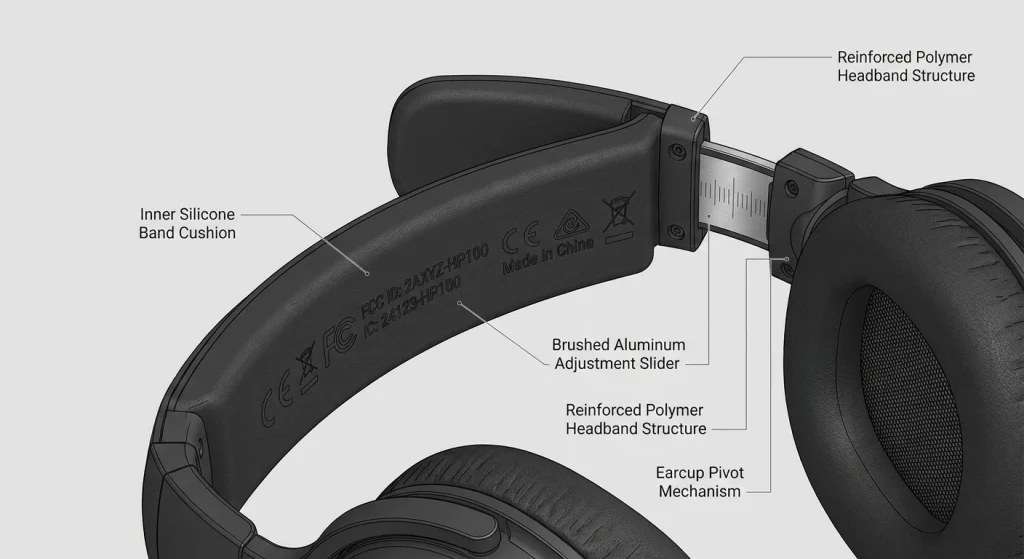
Digital compliance must translate into physical verification on the product exterior. Federal rules dictate that the FCC ID and standard compliance statements must be permanently affixed to the device chassis. If the headphone surface is too small, alternative placement on the retail packaging or digital manuals may be permitted.
Our manufacturing protocols integrate these markings directly into the silicone or polymer molding phase. This prevents the text from fading during prolonged exposure to water or sweat, which is a critical durability metric for specialized sports audio equipment subjected to heavy usage.
Managing Compliance as an Importer
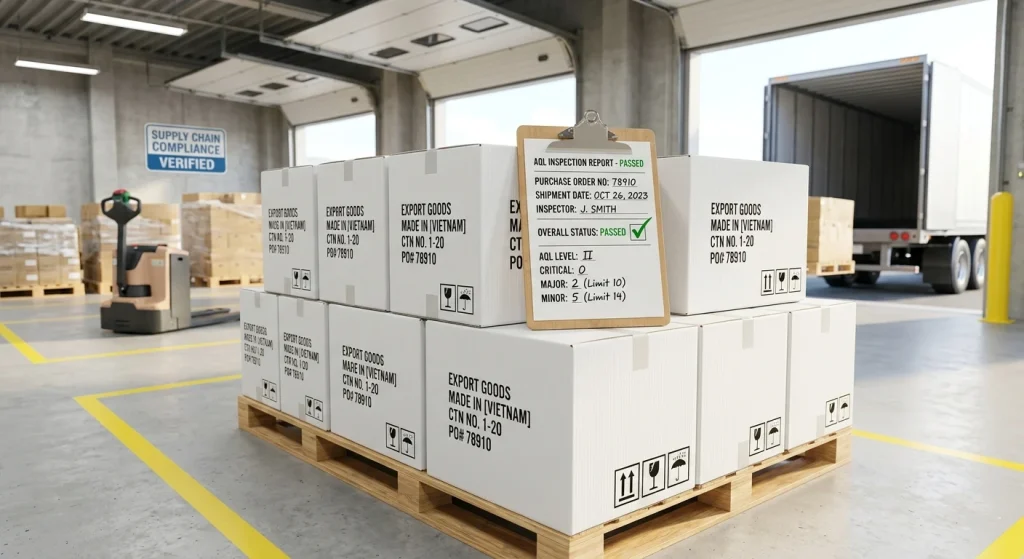
Navigating cross-border logistics requires seamless coordination between the factory floor and the destination port. Incomplete paperwork is the leading cause of inventory delays during peak dropshipping seasons. A proactive approach to documentation shields your supply chain from unexpected regulatory audits.
We streamline this process by pre-packaging all necessary compliance declarations alongside the standard export documentation. Our strict AQL inspection routines guarantee that the physical units exactly match the approved laboratory blueprints, securing a predictable import pipeline for large-scale wholesale orders.
Frequently Asked Questions
What certifications do headphone factories need for EU US?
Entering the US market requires FCC Part 15 certification for Bluetooth transmitters, while the EU demands CE RED compliance. Both regions also require RoHS certification to verify that the manufacturing materials are free from hazardous substances.
To maintain cross-border efficiency, our production lines adhere strictly to these overlapping regional standards. We supply comprehensive laboratory reports with each shipment to prevent customs delays.
How long does OEM headphone production take in China?
Standard manufacturing cycles for pre-certified structural blueprints generally take 30 to 45 days. This timeframe covers raw material acquisition, PCB assembly, and final acoustic calibration on the factory floor.
If the project involves custom housing modifications or new FCC authorization filings, the timeline extends by approximately 15 to 20 days. Early alignment on compliance requirements ensures predictable delivery for seasonal product launches.
What factory capabilities should headphone suppliers have?
A competent supplier must possess in-house acoustic testing chambers, automated sealing machinery, and strict electrostatic discharge (ESD) protections. These physical capabilities ensure that the electronic components remain stable during mass production.
A competent supplier must possess in-house acoustic testing chambers, automated sealing machinery, and strict electrostatic discharge (ESD) protections. These physical capabilities ensure that the electronic components remain stable during mass production.
Securing imported inventory with reliable regulatory compliance requires a technically proficient manufacturing partner. We deliver certified, market-ready hardware backed by transparent quality control protocols to maximize your brand’s long-term market retention. Contact our wholesale team today to discuss your bulk order requirements and request technical blueprints to safeguard your commercial distribution catalog.