
Overview
Selecting the right headphone ODM supplier is critical for bone conduction brands. This guide outlines the essential phases of the development lifecycle, from initial acoustic R&D and proprietary mold tooling to final quality assurance and mass production, ensuring your products meet international market standards.
Evaluating Acoustic R&D Capabilities
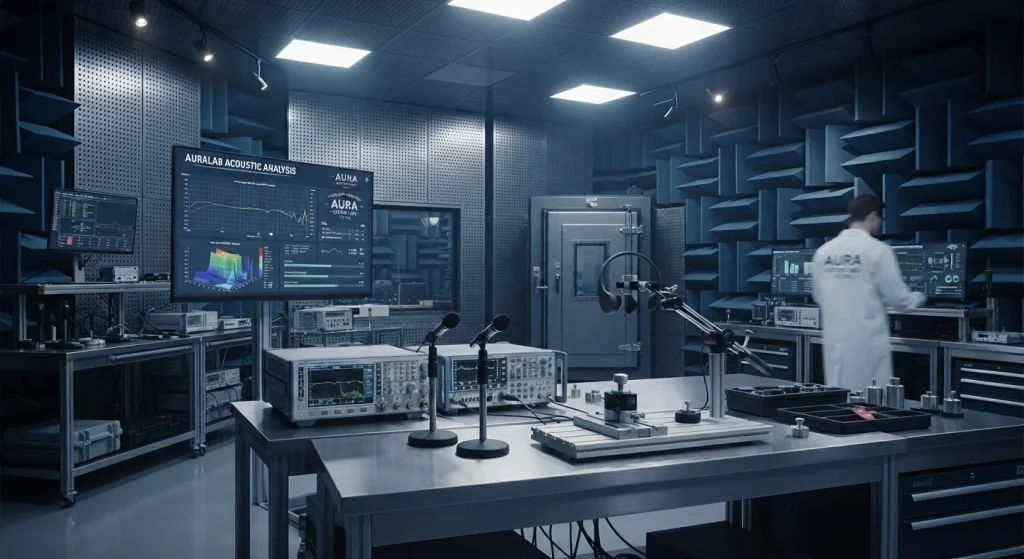
High-fidelity open-ear devices rely heavily on transducer alignment and structural damping to minimize sound leakage. When evaluating an ODM partner, brands must verify if the facility possesses dedicated acoustic chambers for frequency response analysis and vibration testing.
Reliable development teams iterate on driver housing and structural resonance to balance comfort with audio performance. We observe that experienced suppliers maintain detailed technical documentation for each acoustic prototype, allowing brands to make data-driven decisions during the development phase.
Tooling and Proprietary Design Lifecycle
The transition from concept to mass production hinges on efficient tooling management. ODM partners with in-house mold design teams can significantly reduce lead times and protect proprietary design rights during the development of custom bone conduction headphones.
Brands should assess whether a supplier offers modular assembly techniques, which allow for minor adjustments to outer housing without requiring a complete overhaul of the mold base. This capability offers flexibility for startups aiming to differentiate their product lines while maintaining cost efficiency.
Ensuring Waterproof Standards and Durability
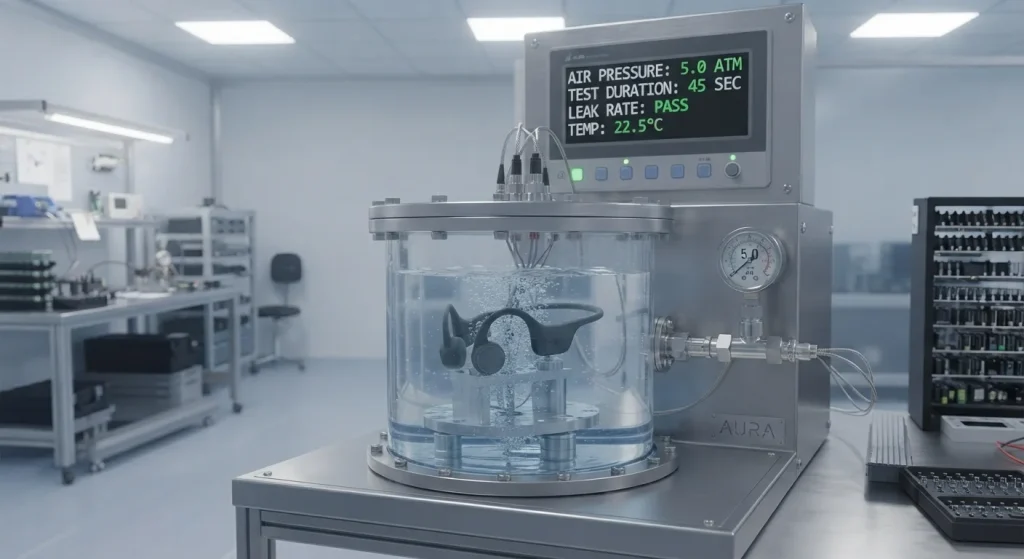
For swimming-focused models, IPX8 compliance is not just a certification—it is a rigorous manufacturing process. A qualified ODM partner implements 100% inline pressure decay testing and vacuum chamber inspections to ensure that internal components are sealed against saltwater ingress.
Factories without specialized automated testing lines often struggle with inconsistent durability across large production batches. We recommend conducting third-party inspections to verify that the assembly process consistently meets the specified waterproof rating before mass shipments depart.
Compliance, Quality Assurance, and Logistics
Navigating international markets requires adherence to mandatory certifications, including CE, FCC, and RoHS. An experienced ODM provider acts as a regulatory partner, ensuring that all OEM/ODM development protocols align with the specific compliance requirements of the USA and Europe.
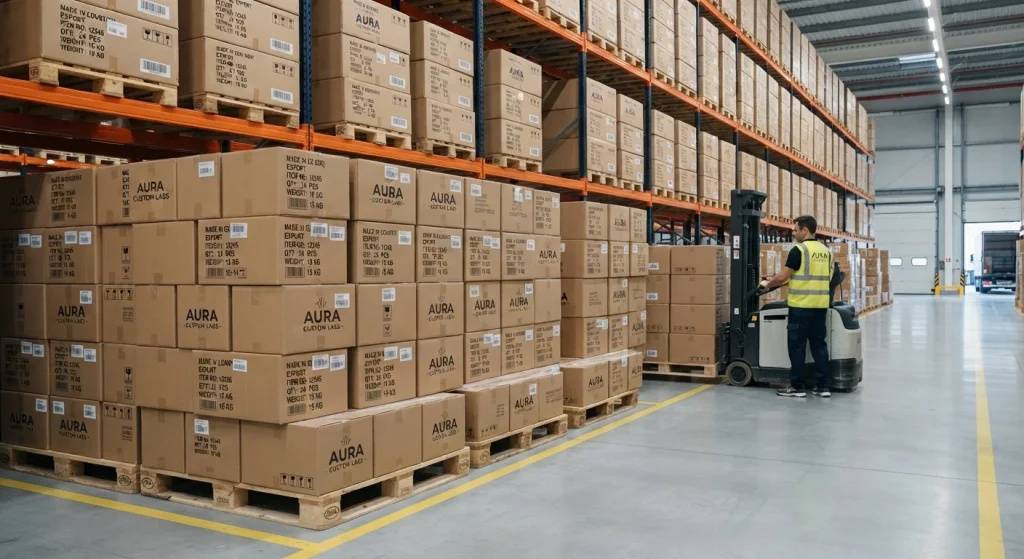
Logistical efficiency depends on the supplier’s ability to manage standardized export packaging, which minimizes volumetric weight and potential transit damage. Integration with Amazon FBA labeling requirements is a standard expectation for any partner targeting modern e-commerce channels.
Streamlining Private Label and Dropshipping
Modern supply chain solutions must support both wholesale and dropshipping models. Brands should inquire about the supplier’s capacity for private labeling, such as custom laser etching, firmware customization for Bluetooth pairing names, and retail-ready packaging.
Effective collaboration relies on transparent communication regarding MOQ flexibility and production lead times. A supplier that functions as an extension of the brand—rather than just a manufacturer—can provide the agility needed to respond to fluctuating consumer demand.
Frequently Asked Questions
What is the difference between OEM and ODM headphones?
OEM (Original Equipment Manufacturer) involves manufacturing a product based on the buyer’s designs and specifications, whereas ODM (Original Design Manufacturer) involves the supplier designing and developing the product based on general requirements. Most brands in the bone conduction space start with ODM to leverage existing R&D and reduce time-to-market.
In the industry, YAYAGG provides both ODM solutions with established tooling and OEM support for brands that have finalized their own unique designs and engineering schematics.
How can I verify product quality before shipment?
Quality verification should involve a multi-stage approach, including pre-production sample approval, inline production inspections, and pre-shipment inspections (PSI) conducted by a third party. Focus on AQL (Acceptable Quality Limit) levels for functional testing and visual appearance checks.
YAYAGG works with brands that require strict AQL quality control standards, ensuring consistent durability and low return rates across global distribution channels, including thorough aging tests for batteries and Bluetooth modules.
Can startups work directly with headphone manufacturers?
Yes, but successful collaboration depends on finding a factory that supports flexible MOQ (Minimum Order Quantity) and provides comprehensive support for private labeling. Startups need a partner who can bridge the gap between design concepts and market-ready products without requiring massive upfront tooling investment.
For startups and Amazon sellers, YAYAGG supports brand expansion by providing flexible production thresholds and assisting with necessary regulatory documentation like CE/FCC certifications, allowing new brands to test market demand with minimal risk.
Ready to scale your sports audio brand with reliable manufacturing partnerships? We are here to support your global expansion with dependable wholesale programs, sample evaluations, and custom supply chain solutions. We invite you to contact our wholesale team today to discuss your bulk order requirements and secure your competitive wholesale price list.