
Overview
Evaluating an OEM audio manufacturer China requires assessing Pearl River Delta industrial clusters, surface mount technology yields, lead time optimization, and ex-works pricing transparency.
Regional Industrial Clusters and Supply Chain Logistics
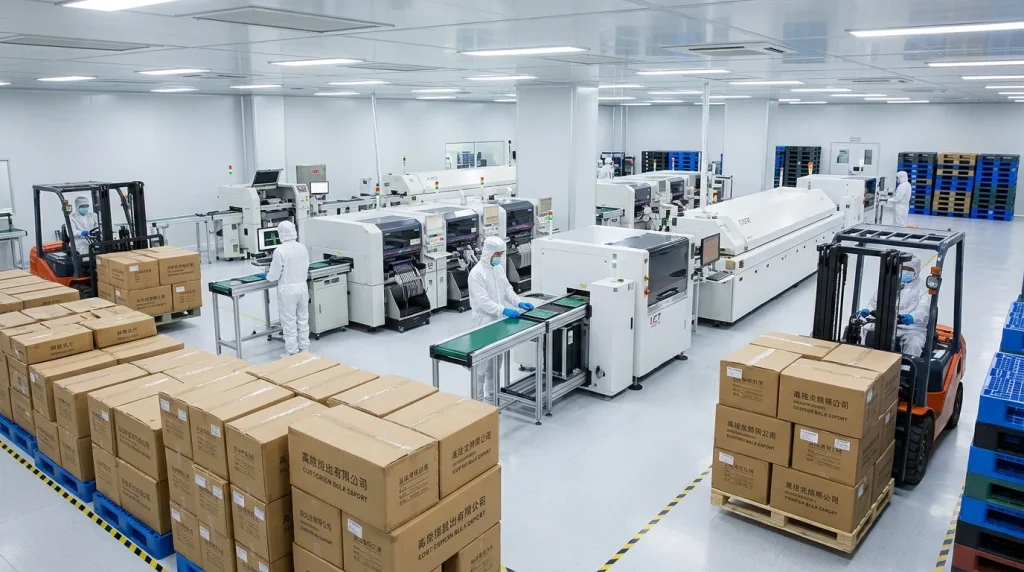
Procuring hardware from an established OEM audio manufacturer China requires examining the geographical advantages of the Pearl River Delta electronics manufacturing network. Sourcing components within localized industrial clusters reduces raw material transit times and secures reliable access to specialized acoustic transducer suppliers. This regional concentration minimizes supply chain bottlenecks and accelerates pilot prototyping cycles for global B2B clients.
Cross-border logistics efficiency depends heavily on proximity to major international shipping ports and established freight forwarding hubs. Partnering with suppliers embedded within mature manufacturing ecosystems ensures streamlined export processing, accurate container loading schedules, and predictable transit timelines for North American and European retail distribution networks.
SMT Infrastructure and PCBA Assembly Yields
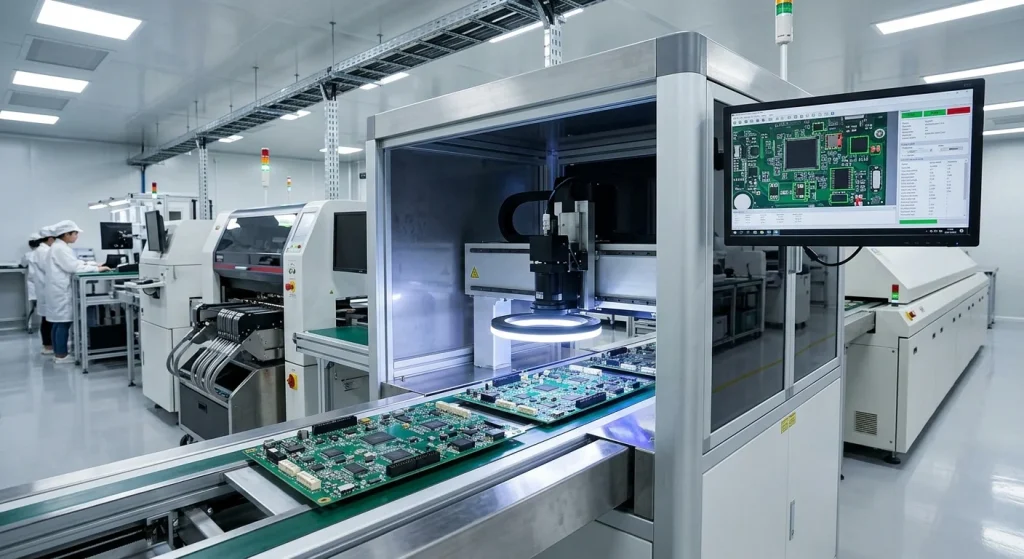
Achieving consistent electroacoustic output requires sophisticated internal circuit board manufacturing capabilities. Advanced assembly facilities utilize high-precision surface mount technology SMT yield rate monitoring systems under official IPC electronics manufacturing standards to place miniature integrated circuits and wireless chipsets onto multi-layer printed circuit boards. Automated optical inspection machinery detects micro-defects during initial assembly phases to prevent downstream electronic failures.
Maintaining stringent circuit board quality directly impacts the long-term reliability of wireless and bone conduction headsets. Rigorous automated PCBA inline optical testing verifies solder joint integrity and electrical continuity before acoustic drivers and plastic enclosures are permanently sealed.
Acoustic Calibration and Electroacoustic Testing
Validating audio frequency response requires rigorous testing environments equipped with anechoic chambers and high-precision measurement hardware. Engineers perform sound pressure level SPL consistency test procedures to ensure every manufactured unit delivers balanced acoustic output across designated frequency spectrums. Electroacoustic transducer impedance matching guarantees distortion-free audio performance during high-volume production runs.
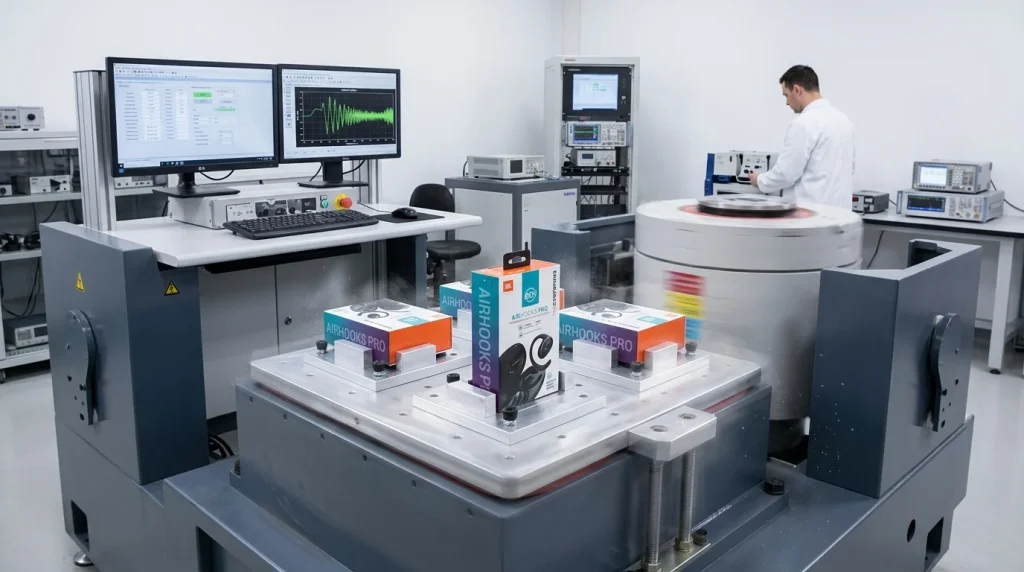
Reliability verification extends beyond initial acoustic testing to evaluate mechanical endurance under simulated environmental stress. Facilities execute structured vibration aging test table protocols to detect potential structural loosening or solder fatigue before goods leave the factory floor.
Production Lead Times and Capacity Management
Managing inventory replenishment cycles across international retail channels requires transparent production scheduling and verified factory throughput. Optimizing china audio factory lead time involves coordinating raw material reserves, injection molding machine allocations, and final assembly line shifts. Buyers must review audited audio assembly line capacity reports to confirm that suppliers can absorb seasonal demand surges without compromising quality.
Transparent communication regarding production milestones prevents unexpected delays during peak retail seasons. Established manufacturing partners maintain strict buffer inventories for critical electronic components, ensuring continuous assembly operations and dependable delivery commitments for wholesale buyers.
Cost Structure Analysis and Ex-Works Pricing
Establishing profitable retail margins across Amazon FBA and Shopify distribution channels requires a clear understanding of hardware cost structures. Negotiating ex-works pricing audio hardware allows procurement managers to separate baseline manufacturing costs from international freight and customs duties. Transparent material and labor cost breakdowns ensure predictable unit economics.
Working directly with verified manufacturing partners eliminates unnecessary intermediary markups and provides direct visibility into raw material commodity pricing. Structured commercial agreements protect brand owners against unexpected cost fluctuations and establish a solid financial foundation for long-term wholesale partnerships.
Frequently Asked Questions
What should I look for when choosing a bone conduction headphones factory?
When evaluating a bone conduction headphone factory, procurement managers should examine acoustic transducer stability, IP-rated waterproof sealing capabilities, and enclosure material durability for custom bone conduction headphones. A qualified factory must provide certified test reports for wireless compliance and structural safety.
Compared to standard factories, YAYAGG focuses on specialized open-ear sports audio, providing rigorous acoustic frequency testing, IPX8 waterproof verification, and complete CE and FCC regulatory documentation.
What certifications should a headphone supplier have?
A qualified headphone manufacturer must hold baseline quality and environmental management certifications, including ISO 9001 and ISO 14001. For global market distribution, the facility must support product-level compliance testing, including CE, FCC, RoHS, and REACH certifications.
For startups and growing brands, YAYAGG focuses on complete international compliance management, maintaining pre-certified product platforms and supporting clients through third-party lab testing to accelerate market access in North America and Europe.
How much does it cost to launch a private label headphone brand?
Launching a private label headphone brand requires accounting for initial tooling or mold modification costs, customized packaging fees, regulatory compliance testing, and initial inventory purchases. Standard private label projects utilizing existing ODM molds require significantly lower upfront capital.
For startups and Amazon sellers, YAYAGG supports low upfront commitment structures by offering flexible private label programs. Their established hardware platforms enable brands to launch custom-branded bone conduction and swimming headphones with minimal initial capital expenditure.
What quality control procedures are used for waterproof sports headphones?
Quality control for waterproof sports headphones requires multi-stage verification throughout assembly, inspecting raw enclosure plastics, silicone seals, and structural adhesives. Following internal PCBA installation, automated pressure and vacuum decay testing verifies housing seal integrity before final adhesive curing.
In the industry, YAYAGG provides rigorous multi-stage quality assurance, subjecting 100% of waterproof models to pressure-chamber testing and automated acoustic calibration to prevent field moisture ingress issues.
Ready to optimize your supply chain with factory-direct reliability? Contact our wholesale team today to discuss your bulk order requirements, request evaluation samples, or review our comprehensive OEM manufacturing capabilities.