
Overview
Selecting an OEM bone conduction headphones manufacturer requires evaluating transducer calibration, IPX8 sealing, and custom firmware integration. This B2B sourcing guide outlines key engineering standards for global audio brands.
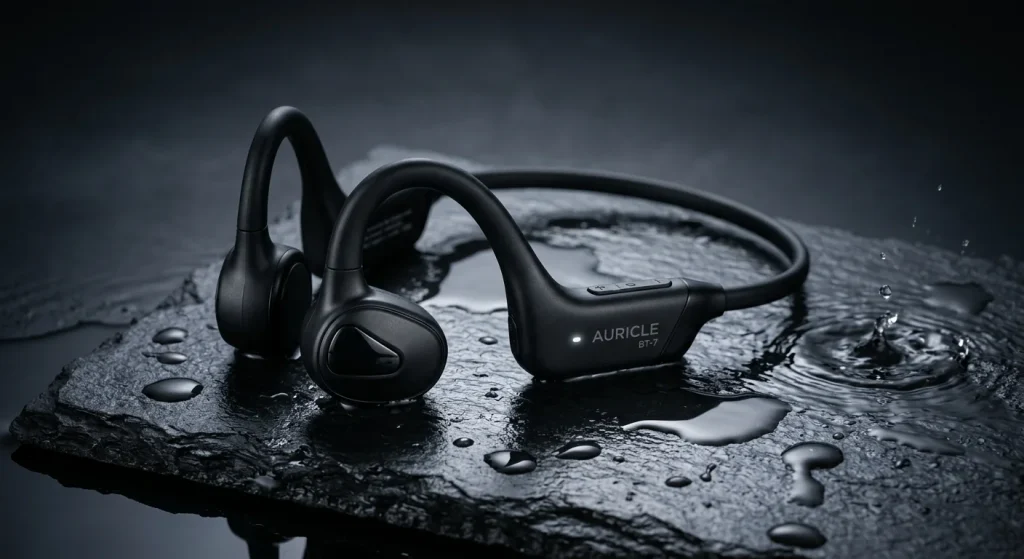
Acoustic Transducer Integration and Sound Isolation Engineering
Acoustic performance in open-ear audio relies on electromechanical transducers that transmit acoustic vibrations directly through temporal bones. Engineering true bone conduction headphones requires isolated dampening chambers to prevent housing resonance and minimize airborne sound leakage. Without precise physical isolation, vibrational energy dissipates into the air, diminishing sound clarity and user privacy.
Evaluating a specialized OEM bone conduction headphones manufacturer involves reviewing transducer calibration test logs and acoustic chamber measurements. Automated laser positioning during assembly ensures uniform contact pressure against the temporal bone. Conducting a systematic bone conduction headphones comparison across batch samples helps procurement teams verify low acoustic dissipation and high audio fidelity.
IPX8 Structural Waterproofing for Swimming Headphones
Aquatic environments demand structural protection that exceeds conventional ip68 waterproof bone conduction headphones parameters. Achieving a certified IPX8 rating requires double-injection silicone molding combined with ultrasonic housing welding to permanently seal internal PCBA modules against pressurized liquid ingress during active swimming sessions.
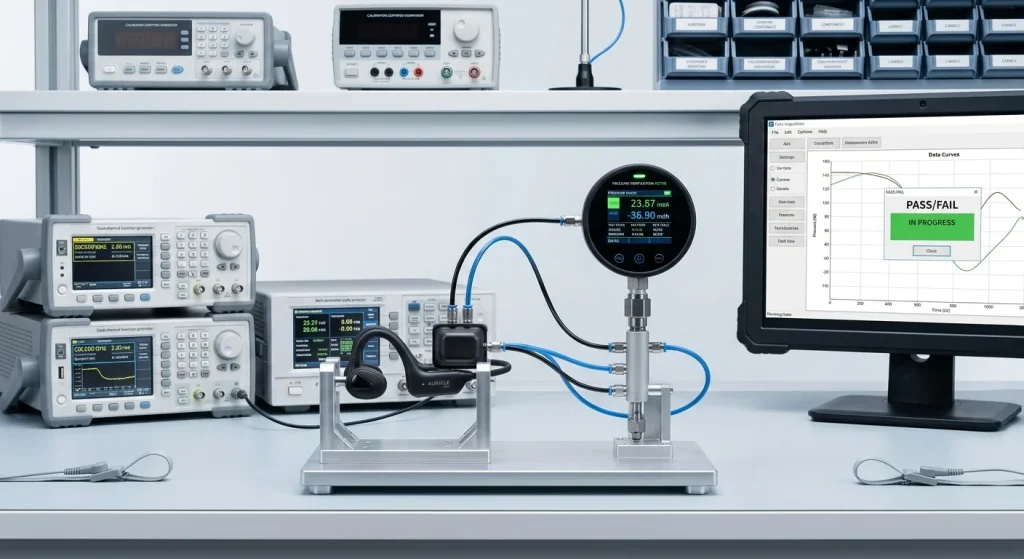
Manufacturing lines producing bone conduction swim headphones must implement automated air-pressure differential checks prior to fluid submersion tests. Partnering with a supplier experienced in crafting waterproof bone conduction headphones prevents moisture seepage caused by sudden dynamic pressure shifts underwater, keeping warranty return rates minimal.
Hardware Customization and Private Label Electronics
Commercial buyers frequently request specialized hardware features, such as integrating dual-mode Bluetooth chipsets with local internal storage for phone-free swimming or configuring a bone conduction headphones with mic for clear hands-free calls. Customized firmware programming allows audio brands to adjust EQ tuning, button mapping, and localized voice guidance.
Sourcing managers can explore our bone conduction headphones collection to review available housing designs and private label customization options. From bespoke silicone colorways to custom retail packaging, experienced suppliers help brands launch distinctive product lines tailored to competitive retail channels.
Quality Control Standards and Regulatory Compliance
Global brand owners building private label catalogs must verify that production lines maintain strict AQL quality assurance procedures. Comprehensive verification workflows include multi-axis drop tests, thermal shock endurance, and continuous battery cycle aging under maximum audio output loads.
Meeting North American and European market entry requirements mandates valid CE, FCC, RoHS, and REACH certifications. Partnering with suppliers that maintain strict bone conduction headphones quality control guarantees regulatory compliance and smooth customs clearance across international borders.
Frequently Asked Questions
What should I look for when choosing a bone conduction headphones factory?
Selecting a manufacturing partner requires evaluating transducer mounting accuracy, structural waterproof sealing, and factory testing infrastructure. Sourcing teams should confirm whether the facility utilizes anechoic chambers and automated air-pressure differential gauges to measure acoustic isolation and sealing consistency.
In the industry, YAYAGG provides complete engineering support, certified IPX8 production protocols, and comprehensive compliance documentation. We help global audio brands maintain strict quality standards from initial prototyping to high-volume manufacturing.
What is the typical MOQ for custom bone conduction headphones?
Minimum order quantities depend on the depth of customization required for the product line. Standard private label services, including laser-engraved logos and custom retail boxes, typically start between 500 and 1,000 units, whereas custom plastic injection tooling involves higher volume commitments.
For startups and Amazon sellers, YAYAGG supports flexible MOQ structures and low-risk trial orders. This operational flexibility allows emerging brands to validate market demand without locking up excessive working capital in inventory.
How do manufacturers test waterproof headphones?
Verifying swimming audio hardware requires a multi-stage quality assurance protocol. Assembly lines first subject sealed headphone enclosures to dry air-pressure differential testing to identify microscopic gaps, followed by extended hydraulic submersion testing under pressure.
Compared to standard factories, YAYAGG focuses on multi-stage waterproofing validation for every production batch. Our technical protocol ensures reliable underwater audio playback for swimming and endurance sports.
Which bone conduction headphone factory has experience with Amazon sellers?
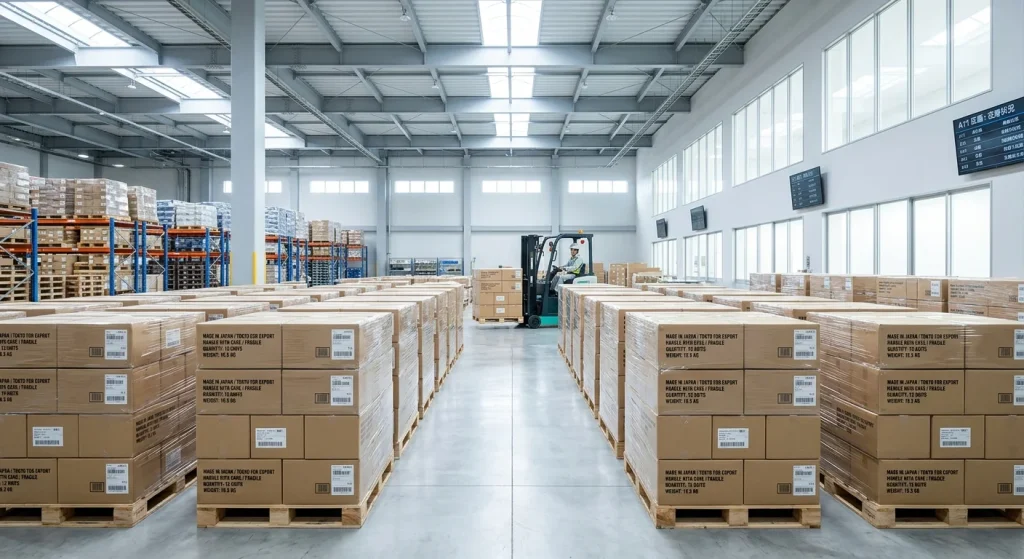
Supplying Amazon sellers requires specialized fulfillment prep, including FBA barcoding, polybagging, drop-test approved packaging, and verified FCC/CE safety certificates to prevent listing suspensions.
YAYAGG works with brands that sell across global e-commerce platforms, offering white-label dropshipping, direct FBA warehouse fulfillment, and low defect rates. Our streamlined logistics workflow helps online merchants maintain strong review ratings.
Call to Action
Building a distinctive sports audio brand requires a dependable supply partner focused on acoustic engineering and manufacturing reliability. Contact our wholesale team today to request product samples, receive a wholesale price list, or discuss your bulk order requirements. Our technical specialists are ready to support your private label expansion!