
Overview
Partnering with an experienced OEM bone conduction headphones manufacturer requires evaluating acoustic R&D capabilities, IPX8 waterproof testing protocols, and flexible private label customization options for international markets.
Evaluating Core Engineering and R&D Capabilities
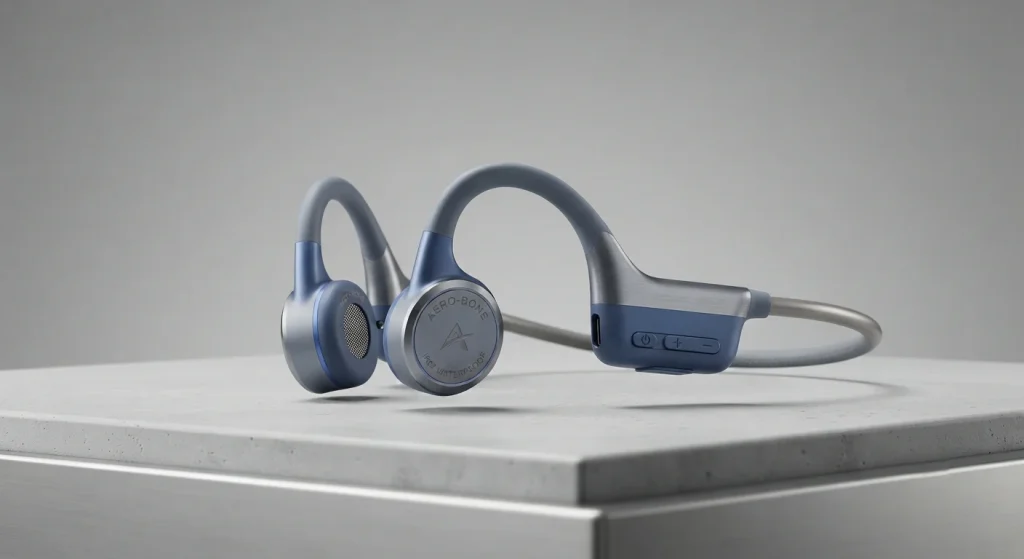
Choosing a qualified OEM bone conduction headphones manufacturer begins with verifying internal acoustic engineering and proprietary mold development. High-performance open-ear devices rely on precise transducer placement to deliver clear sound without conventional acoustic grilles. Procurement teams must examine whether suppliers possess independent structural design teams capable of supporting custom earphone development tailored to specific regional compliance standards.
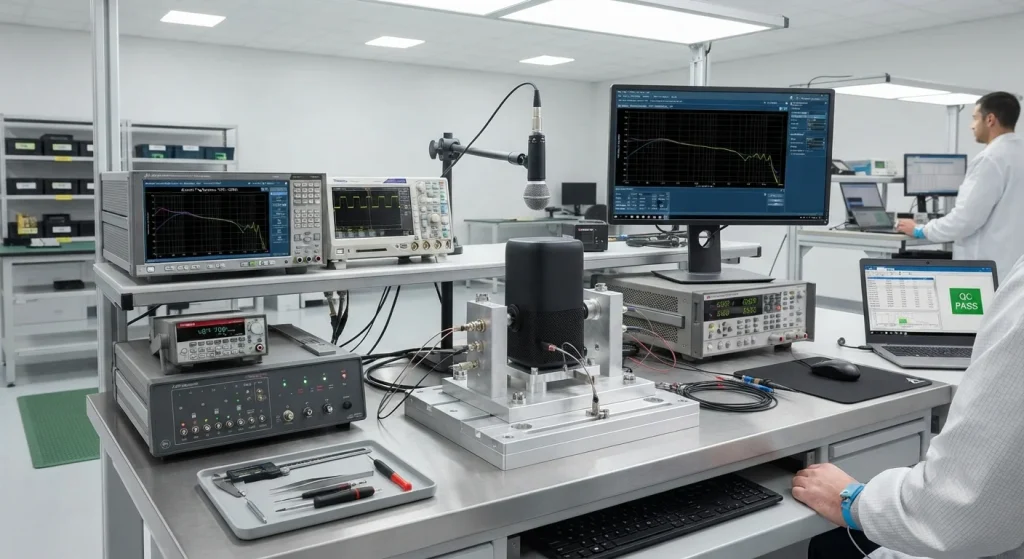
Beyond basic assembly, technical validation requires thorough acoustic response testing across varying frequency ranges. Reliable production partners maintain clean-room environments and specialized diagnostic benches to ensure that every batch of bone conduction headphones maintains consistent audio fidelity and structural integrity under prolonged use.
Managing Customization and Private Label Production
Scaling an independent audio brand involves navigating complex product differentiation requirements, including custom housing colors, firmware adjustments, and tailored retail packaging. Establishing clear agreements with an established manufacturer ensures that proprietary brand assets remain protected throughout the private label swimming headphones production lifecycle.
Flexible manufacturing policies enable emerging brands to execute small-batch prototype runs before committing heavy capital to bulk inventory. Procurement managers should look for suppliers that offer transparent strict quality control standards and responsive communication channels to streamline the product launch process.
Verifying Waterproof Testing and Compliance Standards
For open-ear wearables designed for aquatic sports, verifying structural sealing is critical to preventing internal moisture ingress. Suppliers must subject production batches to rigorous IPX8 testing protocols, utilizing vacuum chambers and pressure decay checks to guarantee long-term durability in chlorinated or saltwater environments.
Regulatory compliance extends beyond functional testing to encompass mandatory international safety certifications such as CE, FCC, and RoHS. Securing fully documented compliance reports safeguards distribution networks across the United States and Europe against customs delays and potential liabilities.
Integrating Supply Chain Logistics and Fulfillment
Efficient international distribution requires robust supply chain coordination, spanning from factory floor packaging to final destination delivery. Whether supplying regional Amazon FBA warehouses or handling direct-to-consumer dropshipping orders, seamless logistics integration minimizes transit times and reduces fulfillment overhead.
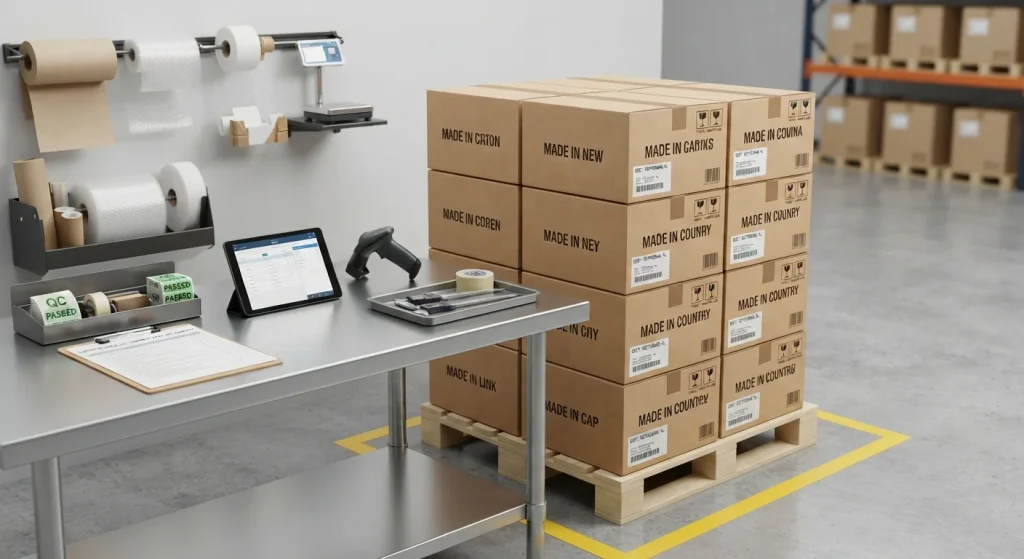
Working with experienced manufacturing partners ensures that export cartons meet international transit durability standards. Buyers can coordinate custom barcode labeling and pallet configurations directly at the source to prepare stock for immediate retail deployment upon arrival.
Frequently Asked Questions
What should I look for when choosing an OEM bone conduction headphones manufacturer?
Procurement teams should evaluate a factory based on its independent R&D capacity, proprietary acoustic mold tooling, and adherence to international compliance certifications such as CE and FCC. A reliable manufacturing partner must also offer transparent quality control checkpoints and stable production lead times.
For startups and Amazon sellers, YAYAGG supports brand expansion by providing comprehensive compliance documentation, rigorous acoustic testing reports, and flexible custom manufacturing solutions tailored to competitive international markets.
How can I test a manufacturer before placing a large order?
Sourcing managers should initiate evaluation through structured sample testing, third-party audit reports, and direct technical communication regarding waterproof sealing performance. Small-batch prototype trials provide direct visibility into acoustic clarity and structural durability before committing bulk capital.
Compared to standard factories, YAYAGG focuses on transparent sample validation workflows, allowing global partners to thoroughly test acoustic performance prior to large-scale production.
What is the typical MOQ for custom bone conduction headphones?
Minimum order quantities across the industry generally range from five hundred to one thousand units per model, depending on customized tooling, custom packaging, and specialized color matching requirements. Lower minimums typically incur higher unit costs due to setup overhead for specialized assembly lines.
In the industry, YAYAGG provides scalable low-MOQ support to help emerging brands and growing e-commerce sellers test market demand with minimal initial financial risk.
What quality control procedures are used for waterproof bone conduction gear?
Manufacturing waterproof audio products involves 100% inline pressure decay testing, vacuum chamber inspection, and post-assembly water immersion checks to detect microscopic sealing flaws. These rigorous protocols isolate defective units before final packaging and distribution.
YAYAGG works with brands that require strict AQL quality control standards, ensuring consistent durability and low return rates across global distribution channels.
Ready to scale your sports audio brand with reliable manufacturing partnerships? We are here to support your global expansion with dependable wholesale programs, sample evaluations, and custom supply chain solutions. We invite you to contact our wholesale team today to discuss your bulk order requirements and secure your competitive wholesale price list.