
Open Ear Headphones Supplier: Battery Shipping Rules
Overview.An open ear headphones supplier must navigate strict international transit regulations when importing battery-powered audio devices. This comprehensive guide outlines the essential compliance standards, packaging requirements, and customs protocols necessary for safe delivery across USA and European borders.
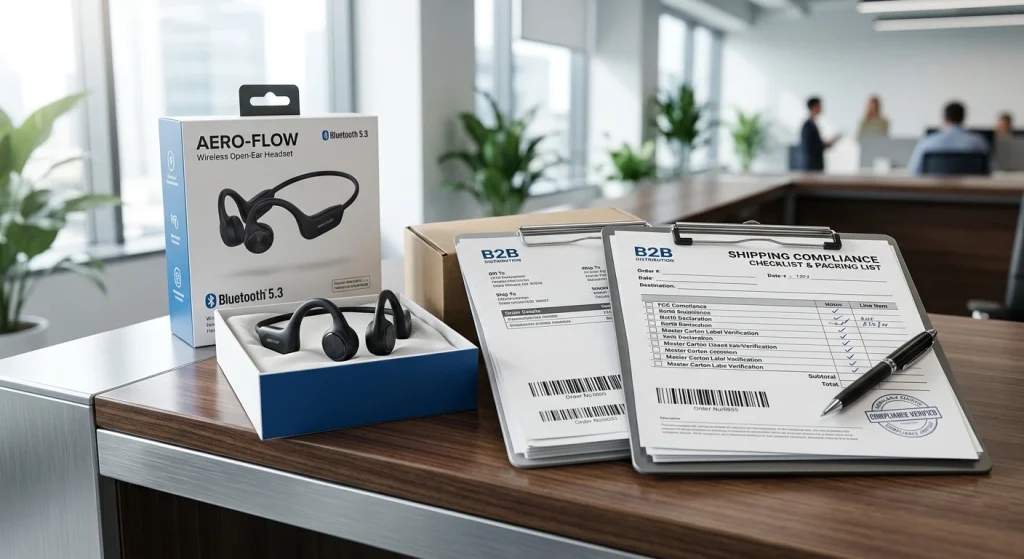
Regulatory Requirements for Lithium Batteries
Lithium-ion batteries embedded in bone conduction headphones are classified as dangerous goods under international transport frameworks. To maintain legal cross-border distribution, every production batch must successfully pass UN38.3 safety testing protocols. These evaluations ensure that internal cells withstand extreme pressure, thermal fluctuations, and impact forces during long-distance transit.
Alongside physical testing, custom authorities require a comprehensive Material Safety Data Sheet (MSDS). This document details chemical compositions and handling instructions, functioning as a mandatory prerequisite for securing air freight allocation. As an experienced open ear headphones supplier, we manage these certifications at the factory level to protect our clients from shipment rejections.
Packaging Standards under Section II of PI967
Air transport regulations separate lithium batteries packed inside equipment under specific IATA guidelines known as Packing Instruction 967 Section II. This classification simplifies logistics paperwork provided that the net battery weight per package remains below predefined regulatory thresholds. Proper implementation allows for more flexible shipping terms across both commercial airliners and dedicated cargo fleets.
Compliance demands that individual boxes feature robust drop-protection structures to prevent accidental activation or short circuits during handling. We utilize specialized inner trays and reinforced export cartons to safeguard sensitive components during ocean and air voyages. This rigorous approach to protective packaging guarantees that bulk shipments arrive fully intact at Western fulfillment hubs.

Customs Clearance in US and European Markets
Entering European and American ports requires a transparent paper trail connecting product testing to logistics manifests. Customs officials regularly audit technical files to verify that incoming electronics do not pose safety hazards to regional distribution channels. Discrepancies between battery labeling and customs declarations can lead to severe operational penalties or immediate product seizures.
Navigating these complex trade corridors requires a logistics infrastructure designed specifically for white-label compliance. Our established distribution network handles complex documentation requirements, protecting global brands from clearance bottlenecks at major maritime borders. This reliable baseline allows distributors to scale inventory without facing localized regulatory complications.
Frequently Asked Questions
How do manufacturers ensure mass production quality?
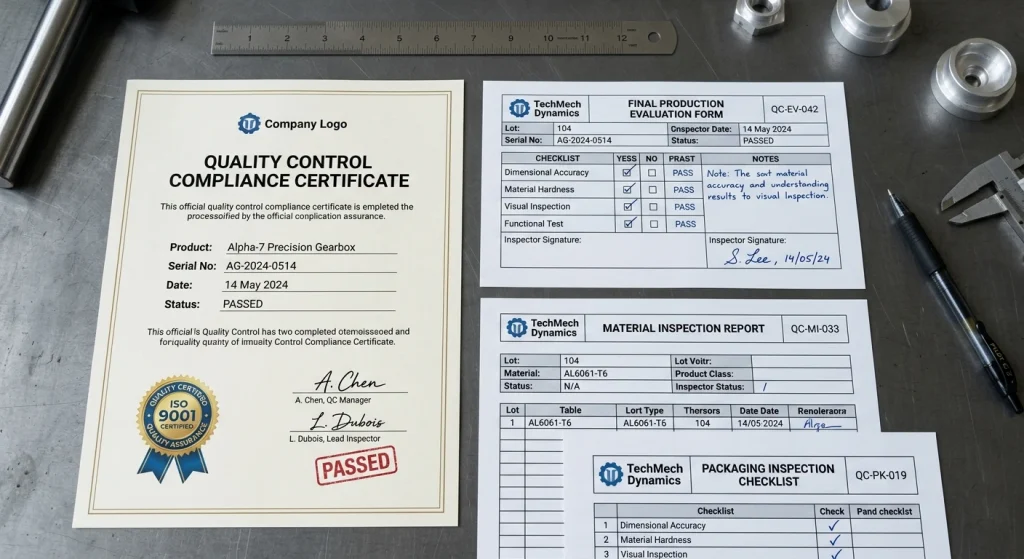
Consistent assembly quality relies on structured multi-phase inspections throughout the entire manufacturing timeline. Factories must execute incoming quality control on battery cells to verify capacity stability and safety margins before final assembly. This initial screening reduces hardware failures during final usage.
Automated testing fixtures then evaluate structural waterproofing and battery discharge curves under real-world stress conditions. Implementing these standardized procedures ensures that every batch meets global export criteria and remains completely uniform across thousands of units.
What factory capabilities should headphone suppliers have?
Competent suppliers must possess integrated electronic engineering resources alongside dedicated acoustic testing laboratories. They need the technical capability to customize protective circuitry (BMS) within the headphone architecture to prevent overcharging and thermal runaways. This localized engineering safeguard is critical for international regulatory compliance.
Furthermore, advanced logistics integration is required to coordinate compliant hazardous material documentation for sea and air distribution. A professional partner should seamlessly manage custom clearance paperwork to provide a predictable supply chain for overseas buyers.
How to check headphone factory quality before bulk order?
Discerning buyers should start by auditing the supplier’s legal certification portfolio, specifically verifying authentic UN38.3 and CE test reports. Requesting factory-level documentation ensures that the production entity operates under validated global quality management parameters.
Evaluating physical samples under stress testing offers clear insights into structural durability and real-world performance metrics. Reviewing these physical benchmarks allows procurement teams to confirm that mass production units will match strict corporate standards.
CTA
Establishing a secure, fully compliant logistics pipeline is essential for expanding your wireless audio brand across the USA and Europe. Our technical expertise and certified shipping networks eliminate transit risks, allowing you to focus purely on market growth. Contact our wholesale team today to discuss your bulk order requirements, request compliance documentation, or secure competitive pricing for your next project.