
Why Bone Conduction Is Exploding in the U.S. and Europe
In recent years, bone conduction technology has surged in popularity across the U.S. and Europe, transforming the way athletes, outdoor enthusiasts, and everyday users experience audio. Picture a bustling outdoor fitness park in London where runners and cyclists wear sleek, open-ear bone conduction headphones. Meanwhile, on a sunny California beach, surfers and joggers sport similar designs, enjoying their favorite tunes without blocking out the world around them. This growing trend isn’t a coincidence—it reflects a broader shift toward safer, more comfortable, and innovative audio solutions.

What Is Bone Conduction Technology?
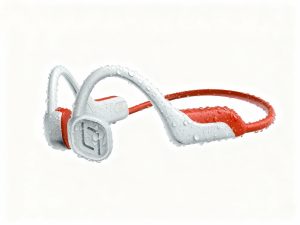
Bone conduction headphones work by transmitting sound vibrations directly through the bones of the skull to the inner ear, bypassing the eardrum entirely. Unlike traditional earbuds or over-ear headphones that cover or plug the ears, bone conduction devices leave the ear canal open. This unique approach allows users to remain aware of their environment while enjoying clear sound.
Why Are Bone Conduction Headphones Gaining Traction?
1. Enhanced Safety for Outdoor Activities
One of the biggest draws of bone conduction headphones is safety. In busy urban parks like London’s outdoor fitness areas, or along crowded California beachfronts, being able to hear ambient sounds—such as traffic, other people, or emergency signals—is crucial. Open-ear designs ensure athletes can stay alert to their surroundings, reducing the risk of accidents. For example, a cyclist weaving through London traffic can listen to coaching audio without losing awareness of honking cars or pedestrians.
2. Comfort and Hygiene Benefits
Traditional earbuds often cause discomfort during extended wear and can trap sweat and moisture, leading to irritation. Bone conduction headphones rest lightly on the cheekbones, avoiding the ear canal altogether. This makes them ideal for long workouts or all-day use. At a California beach, a runner might prefer bone conduction devices because they won’t get clogged with sand or sweat, maintaining comfort and hygiene throughout the session.
3. Accessibility and Hearing Health
Bone conduction is also opening doors for people with certain types of hearing loss. Since the technology bypasses damaged eardrums, it offers a valuable alternative for those who struggle with conventional headphones. This inclusivity has expanded the market, especially in Europe and the U.S., where awareness of hearing health is growing.
Real-World Examples Driving Popularity
Brands like AfterShokz (now rebranded as Shokz) have played a pivotal role in popularizing bone conduction headphones. Their models are frequently seen on athletes at London’s outdoor fitness parks and California’s beaches, blending style with functionality. Events such as marathons and triathlons increasingly feature bone conduction devices among participants, highlighting their practicality in competitive sports.
Additionally, the rise of remote work and outdoor exercise during and after the pandemic has prompted many users to seek audio solutions that keep them connected to their environment. Bone conduction headphones fit this need perfectly, combining convenience with safety.
Conclusion
The explosion of bone conduction technology in the U.S. and Europe stems from its unique benefits: safety, comfort, and inclusivity. Whether it’s an athlete navigating the busy streets of London or a jogger enjoying the breeze along a California beach, bone conduction headphones offer an innovative way to listen while staying connected to the world. As more people discover these advantages, the trend is likely to continue its rapid growth, reshaping how we think about personal audio in active lifestyles.