
Why Swimmers Say Music Is Becoming Essential to Peak Performance
For competitive swimmers, every fraction of a second counts. The moments leading up to a race are often filled with a mix of anticipation, nerves, and intense focus. Increasingly, swimmers are turning to music as a powerful tool to steady their nerves and sharpen their concentration before hitting the pool. This trend is more than just a passing fad—music is becoming an essential part of peak performance for swimmers at all levels.
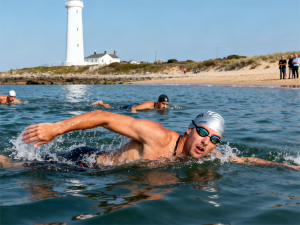
The Power of Music in Competitive Swimming
Imagine a swimmer standing on the pool deck moments before the start signal. Their heart races, muscles tense, and the pressure to perform is immense. In this scenario, putting on headphones and tuning into a carefully chosen playlist can transform the experience. Music has the unique ability to calm anxiety, regulate breathing, and create a mental zone where distractions fade away.
Scientific studies support this, showing that music can reduce cortisol levels—the hormone associated with stress—while increasing dopamine, which boosts mood and motivation. For swimmers, who often face high-pressure environments, this biochemical shift can be the difference between a shaky start and a confident dive.
How Music Enhances Focus and Performance
Beyond calming nerves, music helps swimmers focus by blocking out external distractions like crowd noise or the chatter of competitors. The right tempo can also synchronize with an athlete’s internal rhythm, helping them maintain pacing during warm-ups or visualization exercises. Many swimmers report that listening to music helps them enter a “flow state,” a mental zone where performance feels effortless and time seems to slow down.
Real-World Examples from the Pool
Take Michael Phelps, arguably the most decorated Olympian swimmer in history. In interviews, Phelps has shared how music was integral to his pre-race routine. He would listen to tracks that pumped him up or helped him calm down, depending on how he felt. This personalized playlist became a mental anchor, signaling to his brain that it was time to focus and perform.
Similarly, Katie Ledecky, a multiple Olympic gold medalist, uses music to get into the right mindset before races. She has spoken about how certain songs help her visualize her race strategy and maintain confidence, highlighting how music supports both mental and physical preparation.
Choosing the Right Music for Your Race
Not all music works equally well for every swimmer. The key is to select tracks that resonate personally and match the desired mental state. Some swimmers prefer high-energy beats to ignite adrenaline, while others opt for calming melodies to soothe nerves. Experimenting with different genres, tempos, and playlists can help athletes discover what best supports their unique pre-race routine.
Conclusion: Music as a Competitive Edge
For competitive swimmers, music is no longer just background noise—it’s a strategic tool that enhances mental readiness and performance. By helping athletes manage stress, improve focus, and enter a flow state, music plays a vital role in achieving peak performance. Whether you’re an elite swimmer or someone who enjoys racing for fun, incorporating music into your pre-race routine might just give you the edge you need to swim your best.