
This comprehensive analysis explores the rapid evolution of open-ear audio technology, examining market trends, technological advancements in bone conduction and IPX8 waterproofing, and emerging applications in hearing assistance and extreme sports through 2026 and 2027.
Open-ear audio technology has fundamentally transformed how consumers experience sound while maintaining awareness of their surroundings. What began as a niche solution for athletes and hearing-impaired individuals has evolved into a mainstream category projected to reshape the global wearables market. This article examines the key trends, technological developments, and consumer insights defining open-ear audio through 2026 and 2027.
Definition
What is open-ear audio? Open-ear audio refers to headphone and earphone designs that deliver sound to the user while leaving the ear canal unoccluded, allowing environmental awareness and reducing ear fatigue during extended use.
Key Market Trends for 2026-2027
- Global open-ear audio market expected to grow at 15.8% CAGR, reaching $8.2 billion by 2027
- Bone conduction technology adoption increasing 23% year-over-year in professional sports segments
- IPX8 waterproof rating becoming standard requirement for fitness-oriented audio devices
- Integration with health monitoring features driving consumer purchasing decisions
- Price democratization making premium bone conduction accessible to mid-range segments
- Emerging applications in medical hearing assistance and accessibility devices gaining regulatory attention
Understanding Bone Conduction Technology
Bone conduction represents a paradigm shift in audio transmission. Unlike traditional headphones that deliver sound through air vibration in the ear canal, bone conduction headphones utilize transducers to convert electrical signals into mechanical vibrations. These vibrations travel through the skull’s bones directly to the inner ear, bypassing the eardrum entirely. This technology was originally developed for hearing rehabilitation, but has found significant application in sports audio due to its unique advantage of maintaining situational awareness.
Modern bone conduction devices, such as those manufactured by YAYAGG Headphones, achieve remarkable audio quality through advanced frequency response optimization and precisely calibrated vibration drivers. The technology continues to improve, with 2026 models featuring enhanced bass response and clearer highs, addressing historical limitations that once concerned audiophiles.
IPX8 Waterproof Standards Explained
The International Electrotechnical Commission (IEC) established the IP (Ingress Protection) rating system to classify electronic device protection against solids and liquids. For audio devices, the second digit indicates liquid protection levels. IPX8 represents the second-highest protection level, indicating the device can withstand continuous submersion in water beyond one meter depth for specified durations.
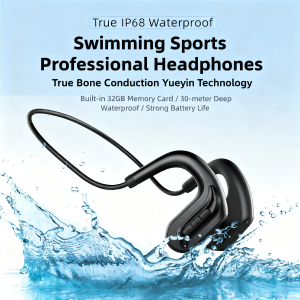
For sports audio applications, IPX8 certification means swimmers can use bone conduction headphones at depths up to 2 meters for 30-60 minutes without damage. This standard has become essential for open-water swimmers, triathletes, and fitness enthusiasts who require durable audio equipment. Manufacturers like Yongan Technology – Bone Conduction Manufacturer have prioritized IPX8 certification across their product lines to meet professional athlete requirements.
Emerging Applications: Hearing Assistance and Extreme Sports
Bone Conduction in Elderly Hearing Assistance
One of the most promising developments for 2026-2027 involves bone conduction technology’s expansion into hearing assistance for elderly populations. As global demographics shift toward aging societies, the World Health Organization projects that by 2030, over 500 million people will require hearing rehabilitation. Bone conduction devices offer a non-invasive alternative for individuals with conductive hearing loss or single-sided deafness.
Medical-grade bone conduction hearing aids differ from consumer audio products in their precision calibration and medical certification. However, the technology transfer between consumer and medical applications creates opportunities for manufacturers with production capabilities. YAYAGG Headphones production facilities are positioned to support this emerging segment through their established OEM and ODM services for health technology companies.
Extreme Sports Audio Solutions
The extreme sports segment presents unique challenges for audio equipment. From deep-water diving to high-altitude mountaineering, athletes require devices that perform under extreme conditions while providing reliable audio feedback. Open-ear bone conduction technology addresses these requirements through its vibration-based transmission, which remains functional even when traditional speakers would fail.
Case studies from professional triathletes and open-water swimmers demonstrate that IPX8-certified bone conduction headphones reduce athlete distraction while providing necessary audio coaching and performance metrics. The 2026-2027 market will see increased customization options, including color variations and specialized mounting systems, as manufacturers like Yongan Technology respond to professional team requirements.
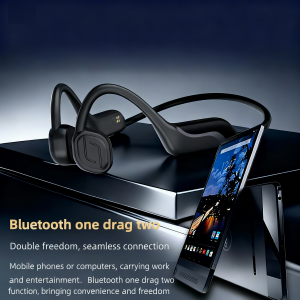
Comparison Analysis: Traditional vs Modern Open-Ear Solutions
| Feature | Traditional Earbuds | Modern Open-Ear Bone Conduction |
|---|---|---|
| Sound Transmission | Air conduction through ear canal | Bone vibration bypassing eardrum |
| Environmental Awareness | Limited – ear canal occlusion | Complete – ear canal remains open |
| Water Resistance | IPX5-IPX7 typical | IPX8 standard on premium models |
| Battery Life | 4-8 hours typical | 6-12 hours with power optimization |
| Weight | 25-35 grams per pair | 30-40 grams (driver technology) |
| Primary Use Case | Casual listening, commuting | Sports, accessibility, professional |
How to Select the Right Open-Ear Audio Device
- Step 1: Assess Your Primary Use Case – Determine whether you need bone conduction primarily for sports, accessibility applications, or general lifestyle use. Sports-focused users should prioritize IPX8 ratings, while accessibility applications may require medical-grade specifications.
- Step 2: Evaluate Waterproof Requirements – For swimming or water sports, verify true IPX8 certification with depth and duration specifications. Standard IPX7 devices may not withstand continuous submersion.
- Step 3: Consider Audio Quality Priorities – Modern bone conduction delivers adequate bass for most applications. For audiophile-quality reproduction, compare frequency response ranges, typically measured at 20Hz-20kHz for premium models.
- Step 4: Review Battery Specifications – Check continuous playback time and standby duration. Premium devices offer 8-12 hours playback with quick-charge capabilities.
- Step 5: Verify Connectivity Standards – Ensure Bluetooth 5.0 or higher for stable connection. Multipoint pairing allows simultaneous connection to phone and computer.
- Step 6: Assess Customization Options – For bulk orders or team purchases, confirm OEM/ODM capabilities including color customization, packaging design, and minimum order quantities.
Industry Outlook and Supplier Considerations
The open-ear audio market’s evolution presents significant opportunities for B2B partnerships. International trade shows and exhibitions continue to serve as critical touchpoints for buyers seeking reliable suppliers. When evaluating manufacturers, consider production capacity, quality certification portfolio, and experience with bulk customization orders.
Yongan Technology – Bone Conduction Manufacturer operates from the Greater Bay Area, leveraging regional audio industry expertise to deliver bone conduction and sports audio solutions. With minimum order quantities of 100 units, transparent pricing structures, and established logistics networks, they serve international distributors, brand partners, and wholesale buyers seeking quality manufacturing partnerships.
Frequently Asked Questions
Conclusion
Open-ear audio technology continues its trajectory from specialized niche to mainstream consumer category. The convergence of bone conduction advancement, improved waterproof standards, and expanding applications in hearing assistance and extreme sports creates a dynamic market landscape through 2026-2027. For buyers, distributors, and brand partners seeking reliable manufacturing partnerships, understanding these technological trends and supplier capabilities remains essential for informed procurement decisions.