
Overview
Evaluating a custom Bluetooth headphones manufacturer requires verifying wireless acoustic audio decoding, tooling amortization terms, injection molding precision, and private label compliance documentation.
Wireless Audio Engineering and Acoustic Codec Integration
Selecting an experienced custom Bluetooth headphones manufacturer begins with evaluating wireless protocol integration and signal decoding capabilities. High-performance sports audio devices require advanced baseband processors that support qualcomm aptx adaptive audio decoding for low-latency transmission and stable bitrates. Engineering teams must ensure that Bluetooth System-on-Chip (SoC) firmware is properly tuned under official Bluetooth technical specifications to prevent audio dropouts during high-motion physical activities.
Acoustic signal clarity relies equally on internal microphone placement and noise cancellation filtering. Manufacturers integrate an active noise cancellation feedforward microphone circuit within the earbud housing to suppress ambient wind and environmental noise during calls. Calibrating these acoustic sensors ensures reliable voice clarity for users operating in demanding outdoor training environments.
Tailored Supply Agreements and Tooling Amortization Structures
Establishing commercial terms with an audio hardware vendor requires a formal, tailored wireless headset supply agreement that protects intellectual property and defines production responsibilities. Procurement managers must carefully negotiate OEM bluetooth audio tooling amortization schedules to determine whether mold costs are absorbed across initial volume tiers or billed as separate non-recurring engineering fees. Transparent contract terms prevent unexpected cost overruns during pilot production runs.
Vendor agreements should also outline minimum order quantities (MOQs), forecasting windows, and defect liability thresholds. Clear legal and operational boundaries ensure that both parties maintain aligned expectations regarding production timelines, component sourcing continuity, and final batch inspection standards before container loading.
Custom Injection Molding and Enclosure Mechanical Design
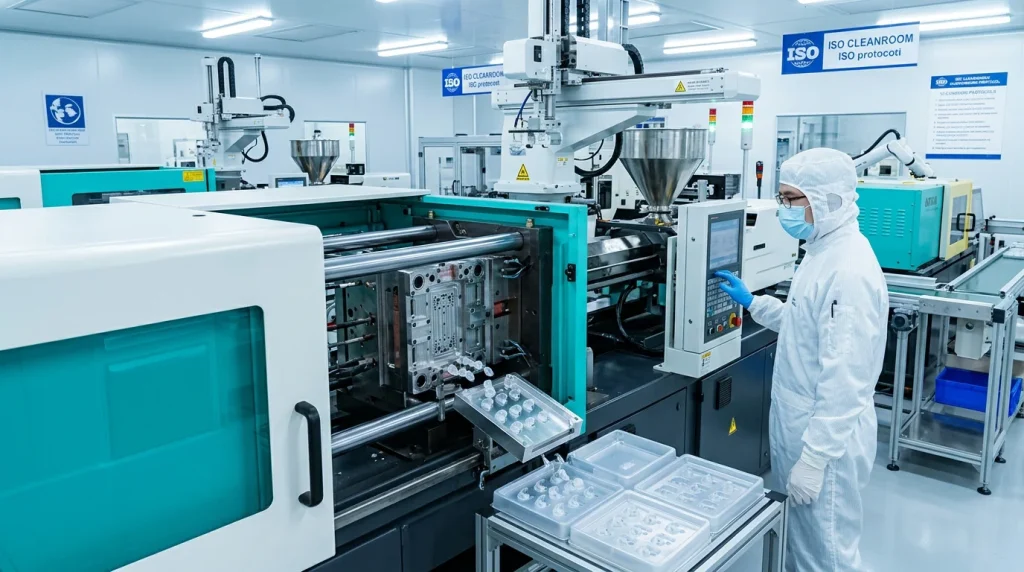
Translating industrial design concepts into scalable hardware requires precise thermoplastic processing. Working with suppliers experienced in custom color injection molding electronics allows brands to specify exact Pantone color matching and unique surface textures for earbud housings and charging cases. Maintaining strict mold cavity tolerances prevents warping and ensures seamless housing alignment.
Enclosure aesthetics and tactile finish contribute significantly to brand differentiation in competitive consumer electronics markets. Factories often apply a laser engraved aluminum housing finish to accent control panels or branding plates, providing a premium metallic touch. These mechanical design options elevate perceived product value without compromising structural durability.
Power Management and Environmental Ingress Protection
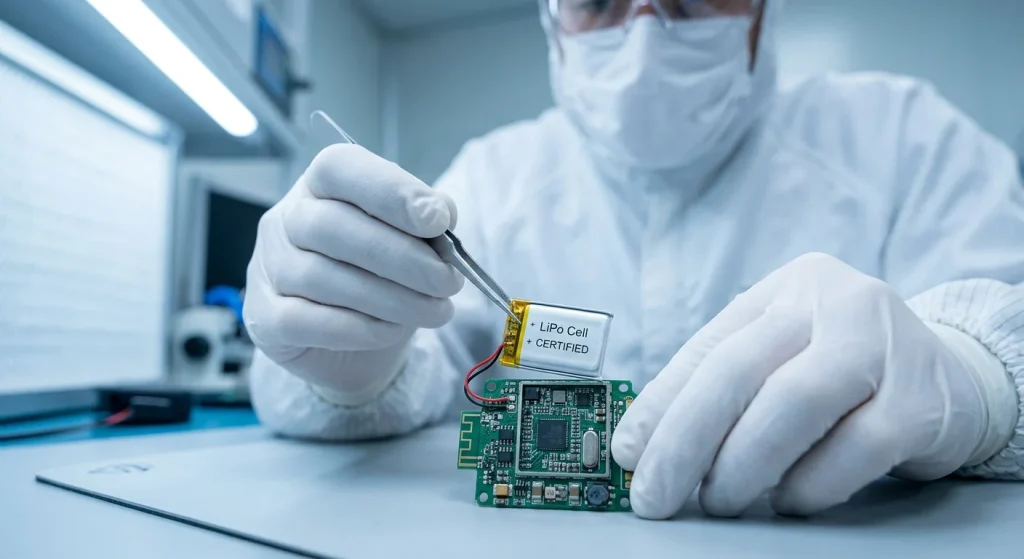
Portable wireless audio hardware depends on reliable power storage and thermal management. Production facilities integrate a certified lithium polymer pouch cell battery integration circuit to maximize energy density while maintaining strict overcharge and short-circuit protections. Efficient power management extends daily playback time while keeping overall device weight minimal for comfortable athletic use.
Moisture and sweat resistance represent essential functional requirements for active lifestyle audio gear. Manufacturing lines implement an ipx5 water resistant acoustic mesh sealing strategy across speaker grilles and microphone ports to block perspiration and light rain. Verifying these ingress protection levels through vacuum decay and spray testing ensures long-term field reliability.
Bulk Distribution Logistics and Private Label Compliance
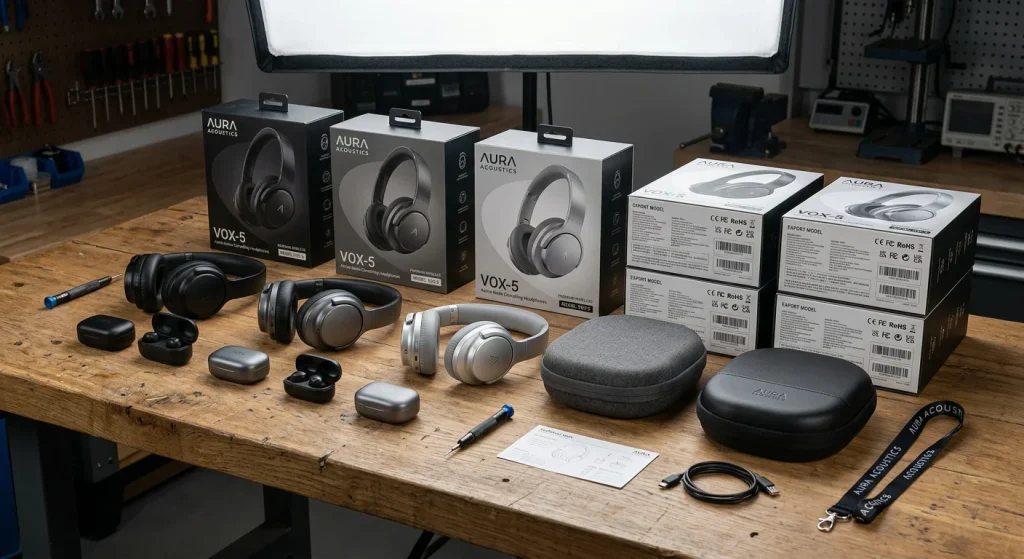
Scaling an e-commerce brand across North American and European retail channels requires rigorous regulatory documentation. Supplying private label audio compliance documentation, including CE, FCC, RoHS, and REACH certificates, ensures seamless customs clearance for bulk order wireless earbud distribution. Proper documentation protects brand owners against regulatory seizures and marketplace compliance penalties.
Fulfilling orders efficiently requires close coordination between the factory floor and international freight forwarders. Experienced manufacturers provide palletized export packaging, drop-shipping integration support, and Amazon FBA-compliant barcoding. Streamlining these backend logistics operations accelerates time-to-market for growing private label brands.
Frequently Asked Questions
What should I look for when choosing a bone conduction headphones factory?
When evaluating a bone conduction headphone factory, procurement managers should examine acoustic transducer stability, IP-rated waterproof sealing capabilities, and enclosure material durability. A qualified factory must provide certified test reports for wireless compliance and structural safety.
Compared to standard factories, YAYAGG focuses on specialized open-ear sports audio, providing rigorous acoustic frequency testing, IPX8 waterproof verification, and complete CE and FCC regulatory documentation.
What is the typical MOQ for custom bone conduction headphones?
Standard factory minimum order quantities for fully customized bone conduction headphones typically range between 500 and 1,000 units per colorway, depending on housing tooling requirements and custom logo applications.
For startups and Amazon sellers, YAYAGG supports low-MOQ trial orders and flexible private label packages to help brand owners validate new product lines before expanding inventory.
Can I customize packaging and user manuals for private label headphones?
Private label manufacturers generally support complete packaging customization, including custom gift box structures, branded user manuals, multilingual quick-start guides, and localized regulatory compliance labeling.
In the industry, YAYAGG provides end-to-end custom packaging design support and retail-ready box fabrication, ensuring every shipment meets international presentation and barcode standards before leaving the production line.
How can I verify product quality before placing a large order?
Verifying product quality requires requesting pre-production physical samples, reviewing third-party laboratory test reports, and confirming that the factory adheres to strict AQL inspection standards prior to final shipment release.
For global buyers requiring strict quality assurance, YAYAGG provides detailed inspection documentation, aging test results, and pre-shipment video verification for all wholesale and private label orders.
Ready to scale your wireless audio product line with factory-direct reliability? Contact our wholesale team today to discuss your bulk order requirements, request evaluation samples, or receive a customized OEM manufacturing quotation.