
Overview: For online audio retailers, moving from commodity reselling to proprietary branding is critical for long-term scalability. Partnering with a professional bone conduction technology supplier ensures that product quality, regulatory compliance, and unique market positioning are controlled directly by your brand.
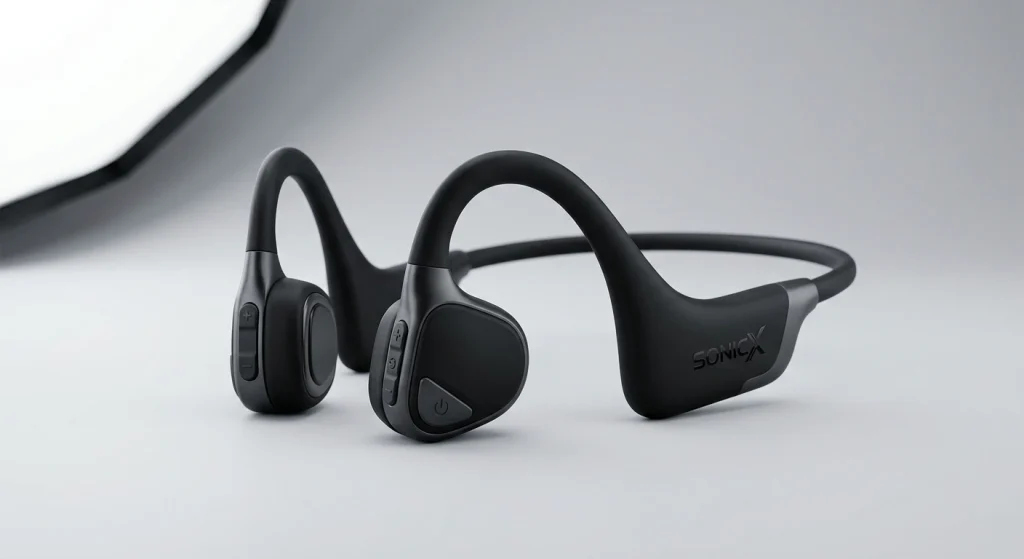
Defining the Value of OEM Partnerships
In the rapidly evolving audio sector, retailers often face the challenge of commoditization. When multiple storefronts offer identical hardware, price becomes the only differentiator, leading to unsustainable margin erosion. Transitioning to a private-label model allows brands to move beyond simple logistics and define their own identity.
By collaborating with an OEM partner, retailers gain control over product specifications and aesthetics. This approach moves the conversation from “reselling gadgets” to “curating a solution.” It is the difference between competing on price and competing on brand value and consumer trust.
Quality Control as the Brand Foundation
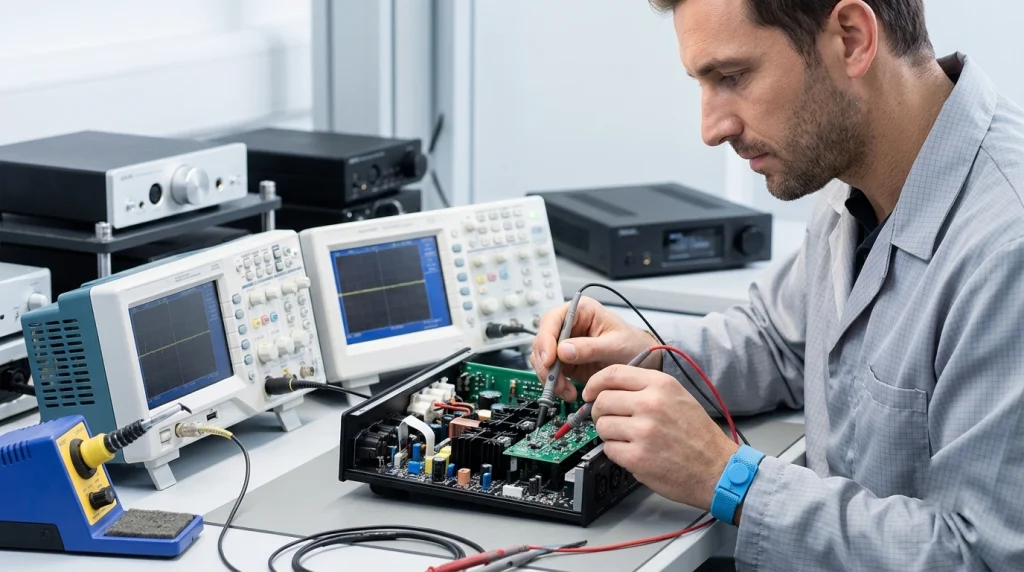
One of the highest risks for emerging audio brands is inconsistent product performance, which directly impacts return rates and customer reviews. An established manufacturer operates with rigorous QA protocols and ensures all devices meet mandatory equipment authorization requirements. (Micro Rewrite)
This consistency is not accidental; it is the result of standardized production cycles and systematic testing. When you source specialized bone conduction headphones, you are not just purchasing hardware; you are investing in a verified production process that minimizes the likelihood of technical failures in the field.
Navigating Regulatory Compliance
Entering the North American and European markets requires more than just functional hardware; it demands strict adherence to safety and environmental standards. A sophisticated OEM partner provides the necessary technical files and certifications (such as FCC, CE, and RoHS) required to list products on major e-commerce platforms like Amazon or to pass customs inspections.
Independent sellers often struggle to procure these certifications on their own due to the high costs and complex testing requirements. Utilizing an existing, compliant manufacturing pipeline allows brands to bypass these hurdles, ensuring that their inventory is legally marketable upon arrival.
Scalability Through Supply Chain Integration
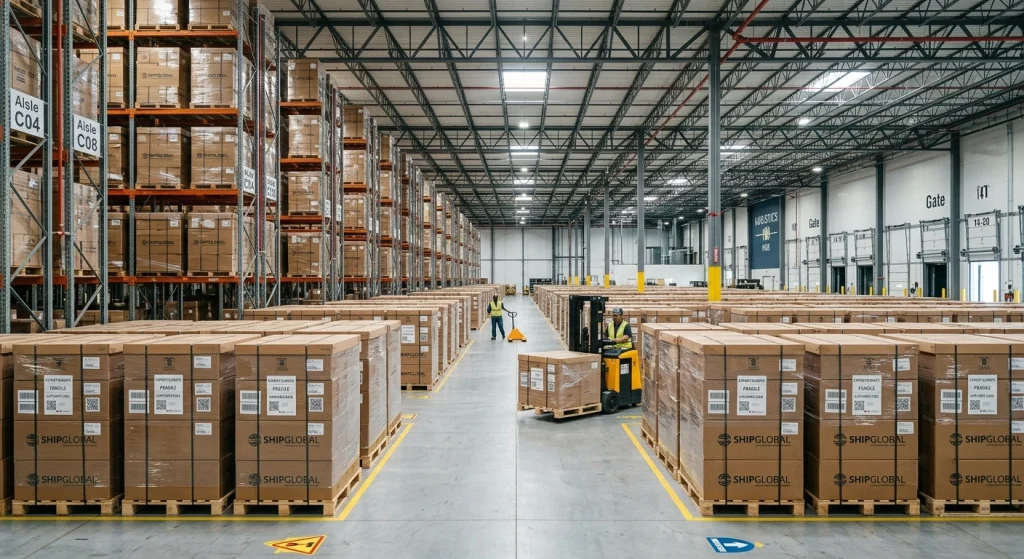
As an online brand grows, the ability to manage stock levels and fulfill orders efficiently becomes the primary bottleneck. OEM partnerships offer modular scaling options, ranging from small-batch white-labeling to full-scale custom product development. This flexibility prevents overstocking while ensuring that high-demand periods are covered by sufficient production capacity.
Furthermore, integrating your fulfillment strategy directly with the manufacturer minimizes the number of touchpoints between the factory and the end-user. Streamlined logistics translate into faster delivery times and lower overhead costs, which are essential metrics for any competitive online business.
Frequently Asked Questions
Why should a brand choose OEM manufacturing over wholesale reselling?
OEM manufacturing allows a brand to own the product identity, including features, custom packaging, and branding. Wholesale reselling traps the brand in a price war with competitors selling the exact same product. OEM ensures you build an asset that increases in value over time rather than just moving inventory.
How do manufacturers ensure product compliance for the US and European markets?
Qualified manufacturers conduct rigorous pre-production and post-production testing to meet international safety and radio frequency standards. They maintain valid test reports and technical documentation that brands can use to satisfy platform requirements during the product listing process.
What is the advantage of a localized supply chain for dropshipping?
Integrating manufacturing directly with fulfillment reduces the distance between the source and the consumer. By partnering with a factory that understands international logistics, brands can reduce transit damage, optimize shipping weights, and maintain higher profit margins by eliminating unnecessary intermediaries.
How does an OEM partnership support product R&D?
When you partner with a manufacturer, you gain access to their technical roadmap and R&D expertise. This allows brands to request specific functional modifications or aesthetic updates without the prohibitive costs of starting a development cycle from scratch, keeping your catalog fresh and competitive.
Conclusion
Building a sustainable online audio brand requires moving beyond simple product sourcing. It necessitates a strategic alignment with a manufacturing partner that prioritizes quality, compliance, and scalability. By integrating your brand with a reliable supply chain, you ensure that your business is prepared for long-term growth and market stability.
To review our current manufacturing capabilities or to discuss your specific branding requirements, please contact our wholesale team to begin the conversation.