
Overview
Launching a private label audio brand requires more than selecting a product; it demands technical control, regulatory adherence, and a scalable supply chain. In this guide, we detail how to collaborate with a professional sports audio manufacturer to turn custom concepts into market-ready retail products.
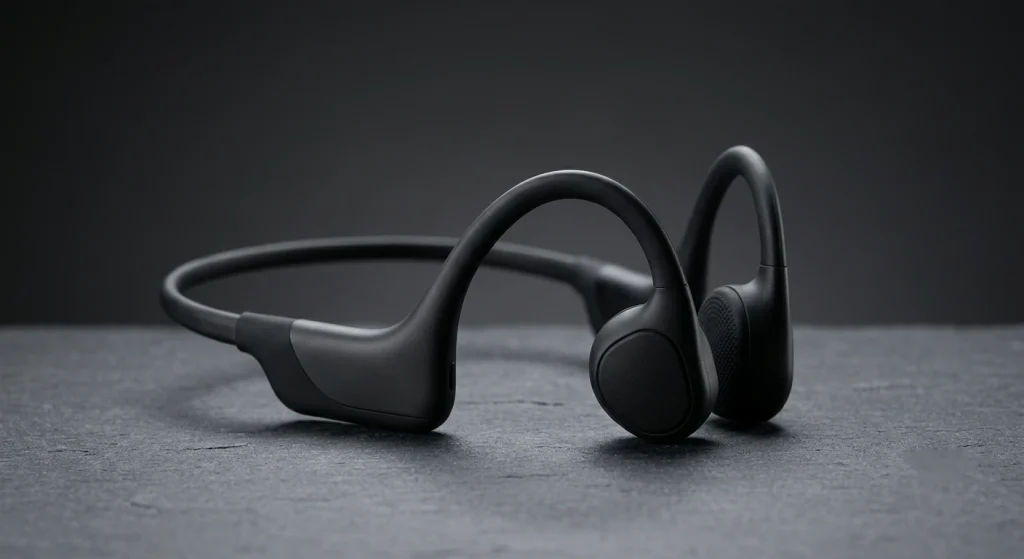
Defining Your Product Niche
Before engaging in manufacturing, brands must define the specific use-case for their audio devices. In the sports audio sector, features like waterproof ratings (IPX8), internal storage, and acoustic design are not just technical specifications—they are the core value proposition for end-users.
We advise brands to avoid generic hardware. Instead, focus on defining clear requirements for the intended audience, such as swimmers or triathletes. When you have a precise definition of your product’s purpose, it becomes significantly easier to align with the technical capabilities of your production partner.
Specifying Hardware Requirements
Customization goes beyond just printing a logo on a housing. To build a robust brand, you must control the critical internal components. This includes battery capacity, Bluetooth chipset versions, and the acoustic calibration of the transducers.
As you define your specifications, prioritize hardware reliability. A specialized OEM service can provide guidance on balancing performance and cost, ensuring that your custom hardware meets the performance expectations of your specific demographic without unnecessary manufacturing overhead.
Packaging and Brand Presentation
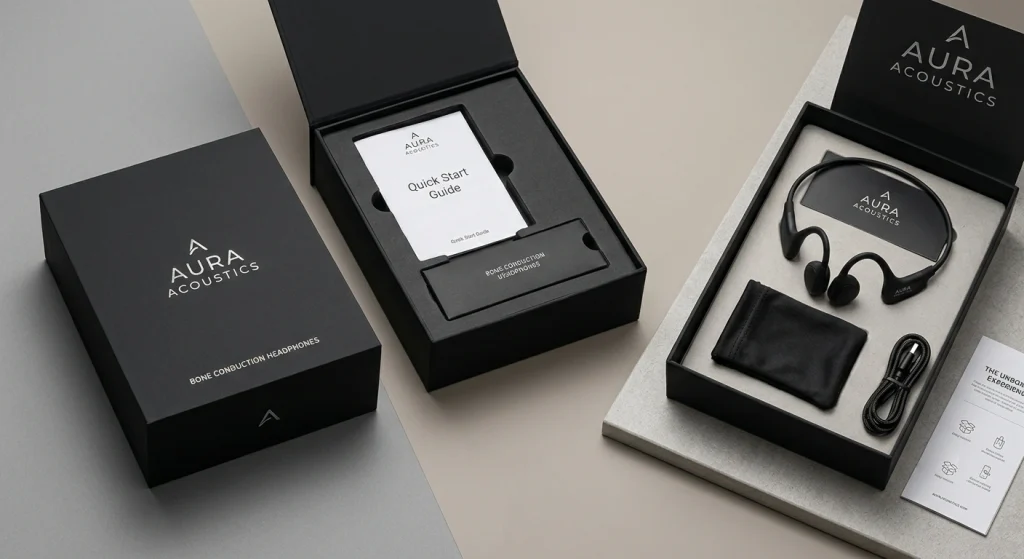
The unboxing experience is often the first physical interaction a customer has with your brand. For private label audio products, packaging should be viewed as an extension of the product itself, reinforcing the brand’s identity and protecting the device during international shipping.
When developing your brand assets, aim for functional, premium designs. This involves custom-printed boxes, instructional materials, and accessory kits. Professional manufacturers will assist in creating a cohesive aesthetic that aligns with your brand guidelines, ensuring that every detail is consistent from the factory floor to the customer’s hands.
Regulatory Compliance and Certification
Navigating the regulatory landscape is perhaps the most critical hurdle for private label brands entering North American and European markets. Audio electronics must comply with strict safety standards, such as mandatory CE marking requirements, to be legally sold in European markets. (Micro Rewrite)
It is essential to verify that your production partner holds valid test reports for FCC, CE, RoHS, and other region-specific certifications. Attempting to manage these certifications independently can lead to costly delays; utilizing an established partner ensures that your inventory is compliant and ready for import as soon as it clears production.
Logistics and Scaling Strategy
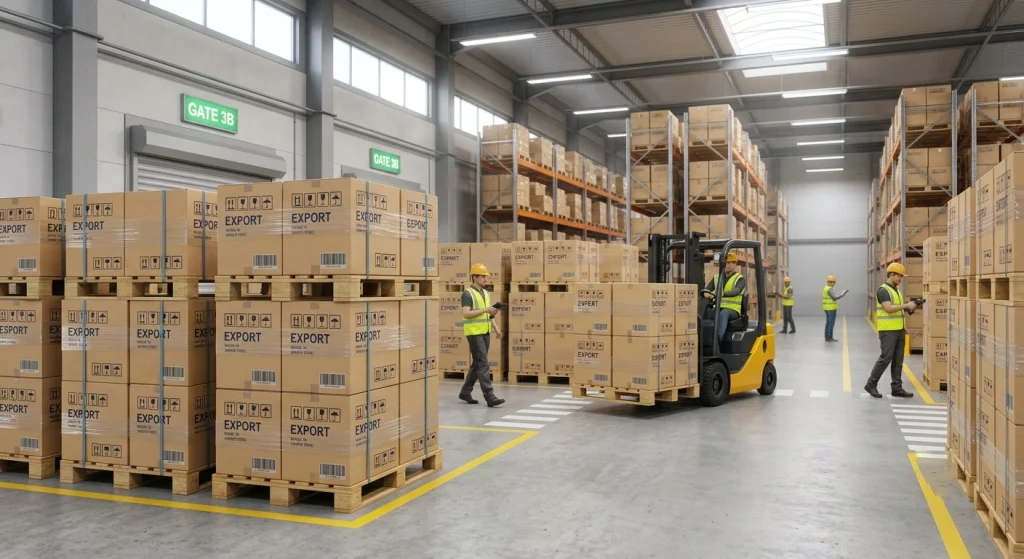
Your initial launch may begin with low-volume dropshipping to test market demand, but long-term success requires a transition to bulk inventory management. This shift changes your profit margins and control over the fulfillment process.
We recommend scaling your supply chain in phases. Start by validating your product with a pilot production run, then evaluate the logistics data before committing to large-scale bulk orders. A flexible partner will support both your initial test orders and your eventual growth, providing stability in both lead times and quality control.
Frequently Asked Questions
What differentiates private label audio from dropshipping generic items?
Private label audio involves custom branding, specialized hardware specifications, and proprietary packaging, which increases product value and customer loyalty. Dropshipping generic items provides less control over quality and leaves you vulnerable to price competition from other sellers.
Does the manufacturer handle the certification process for US and EU markets?
Professional manufacturers maintain comprehensive test reports for safety and radio frequency compliance. While the brand is ultimately responsible for product listing, the production partner provides the technical documentation necessary to meet retail platform requirements and pass customs.
How do I ensure consistent quality in bulk production runs?
Quality consistency is maintained through standardized testing and AQL (Acceptable Quality Limit) inspections at the factory. By establishing clear performance benchmarks and testing protocols before the production run begins, you minimize defects and ensure consistent user experiences for every unit shipped.
Can I request changes to existing audio designs?
Yes. Collaboration with an OEM allows for modular adjustments to existing designs, such as battery upgrades, color changes, or interface modifications. This approach provides the benefits of custom development without the lead times and R&D costs associated with creating a new product from scratch.
Conclusion
Building a private label audio brand is a strategic commitment to quality and consistency. By aligning your brand with a reliable supply chain, you ensure that your business is built on a foundation of operational excellence.
Ready to define your product specifications or discuss your branding needs? Please contact our wholesale team to begin the conversation regarding your next bulk order or custom development project.